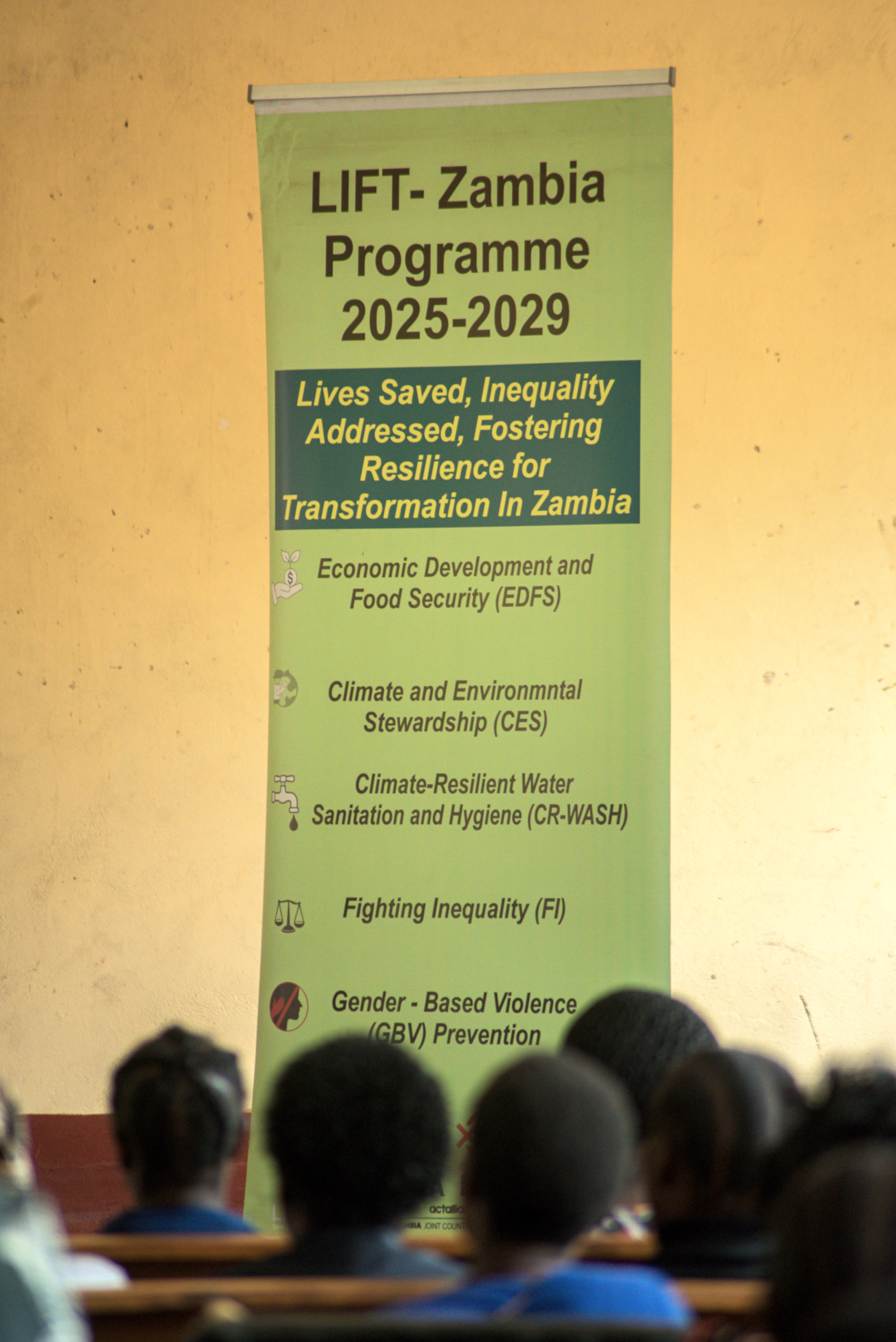
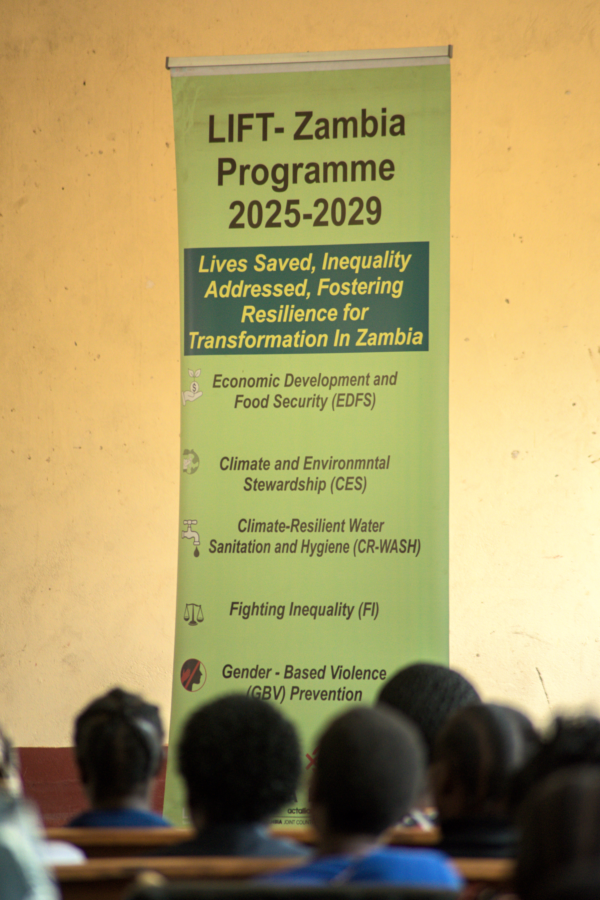
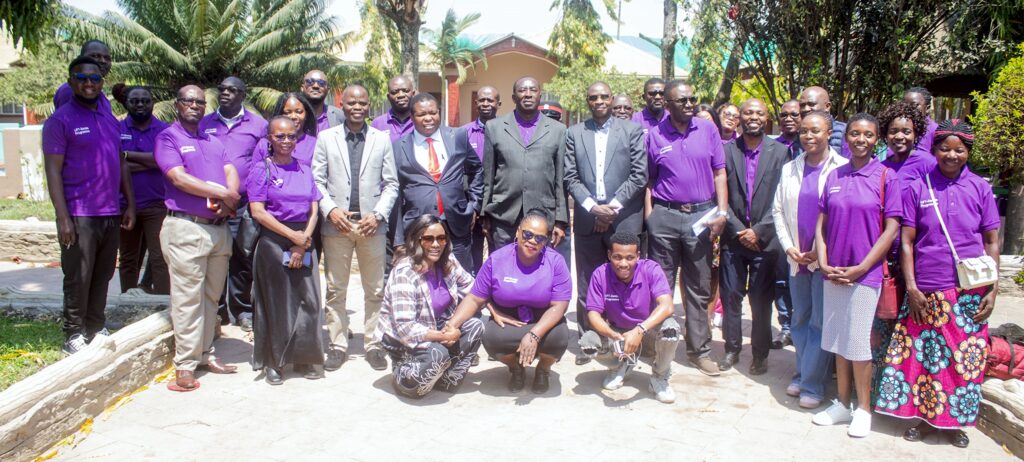
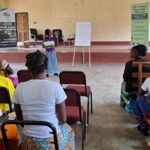
The LIFT-Zambia programme is a multi-year, multi-sectoral initiative led by Norwegian Church Aid (NCA) and DanChurchAid’s (DCA) joint country programme in Zambia. (2025 -2029)
Project Focus
The project promoted biodiversity conservation, strengthened climate resilience, and improved livelihoods in the wetlands of Milenge District. By supporting sustainable wetland management and community-led conservation efforts, the initiative helped protect critical ecosystems while enhancing the capacity of local communities to adapt to climate change. The project also contributed to more resilient livelihoods by promoting sustainable natural resource use and creating opportunities that support long-term environmental, social, and economic well-being.
The Programme is founded on empowering communities to achieve sustainable economic development, reduce inequalities, and drive long-term transformation across Zambia. Through inclusive and locally driven interventions, the Programme strengthens livelihoods, expands economic opportunities, and builds resilient communities capable of creating lasting social, economic, and environmental change.
The initiative aimed to restore 30 km² of degraded wetlands while improving livelihoods for approximately 5,000 community members through agroecology, conservation practices, and enterprises such as beekeeping.
Operational areas in Luapula Province
Milenge District
Wards: Mikula and Sokontwe
Communities: Mikula Ward – Helena Musonda, John Nkumba, Ngelesani, Chalyafya villages
By investing in climate-smart agriculture, food security, and evidence-based natural resource management, the project helped communities in Milenge District build more resilient livelihoods and adapt to the growing challenges of climate change. The interventions strengthened local capacities, improved sustainable resource use, and contributed to long-term social, economic, and environmental well-being.
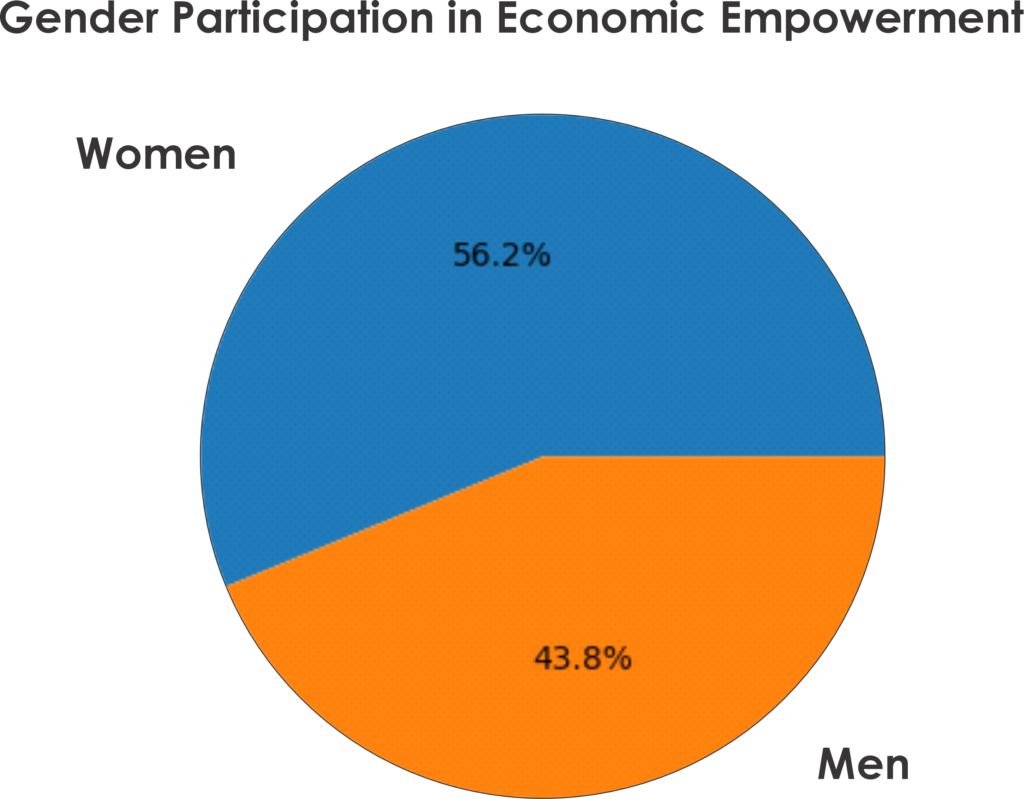
162 farmers reached (64.8% of target 250). Women 56.2%, men 43.8%. Women dominated briquette production (77%) and savings groups (77.8%).
The programme aims to address inequality, enhance economic resilience, and promote climate and environmental justice across rural communities in six Zambian provinces.
Beneficiaries
Direct farmers supported: 300
Women: 196 (65%)
Men: 104 (35%)
Livelihood improvements reached 250 beneficiaries through beekeeping, agroforestry, seed multiplication, and climate-resilient agriculture.
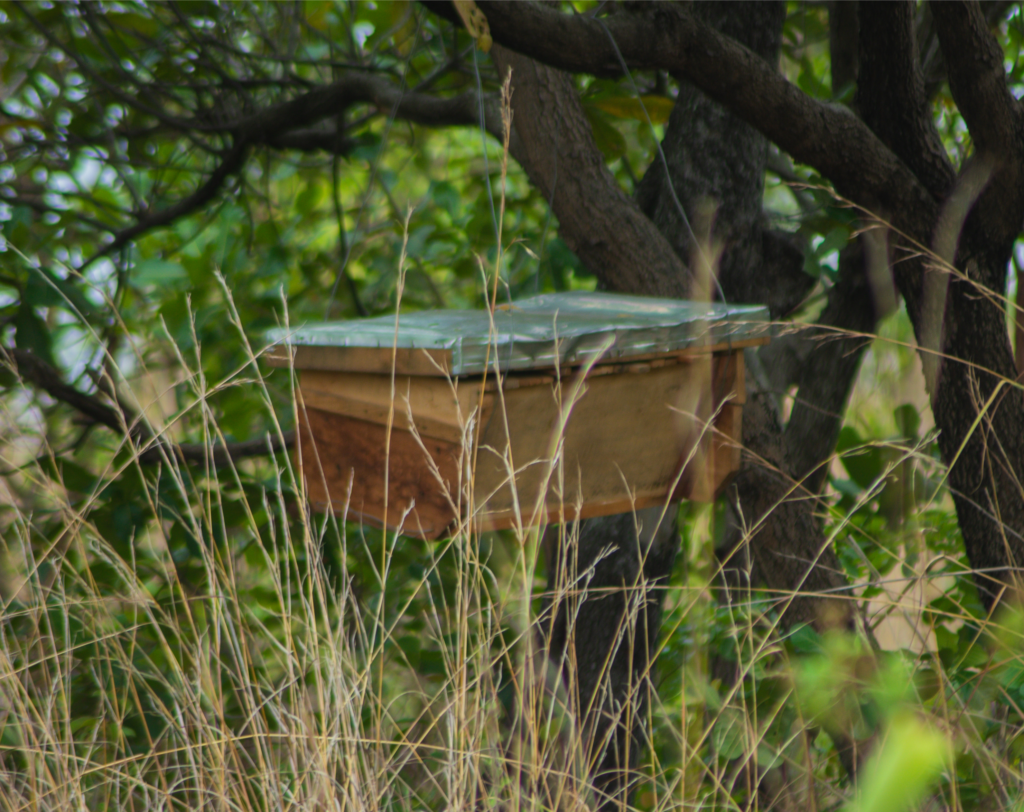
Beekeeping Enterprise
Farmers trained: 95
Women participants: 57
Youth participants: 38
Beehives distributed: 16
The project promoted beekeeping as a sustainable livelihood strategy that supported biodiversity conservation while creating income-generating opportunities for local communities. By enhancing pollination services, beekeeping contributed to healthier ecosystems, improved agricultural productivity, and strengthened the resilience of both natural environments and community livelihoods.
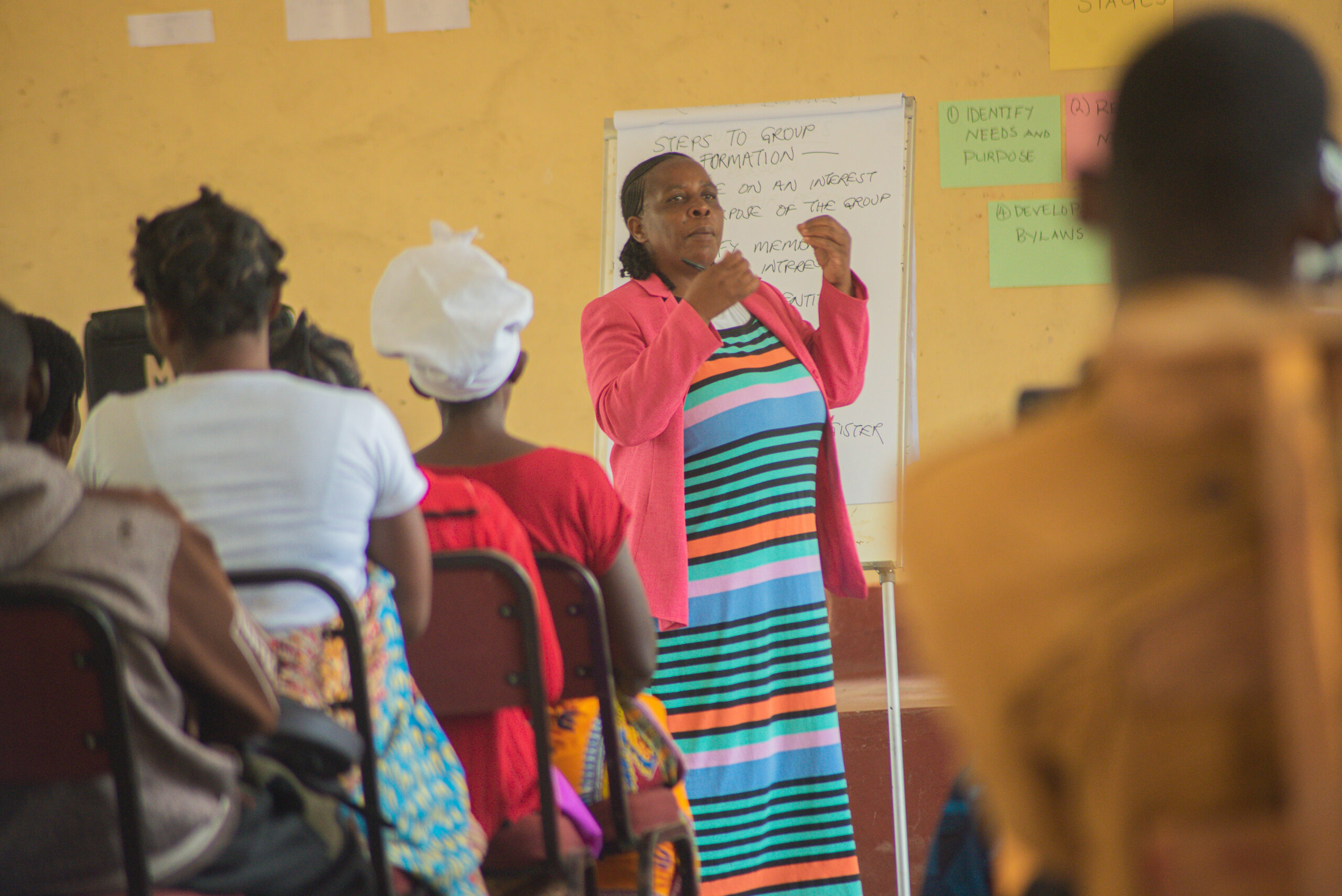
Community Institutions Strengthened
Natural Resource Management Teams: 8 formed
Active teams: 6
Farmer groups established: 9
Group members: 171
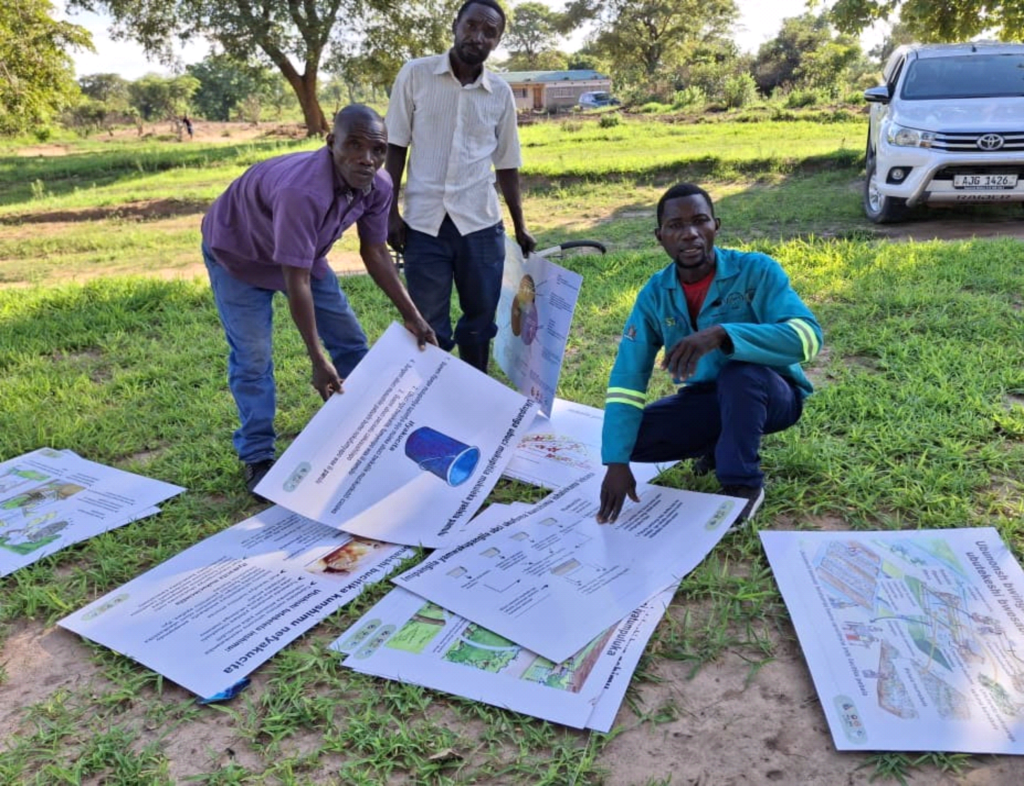
Capacity Building & Knowledge Transfer
Environmental defenders trained: 20
Lead farmers trained: 50
Total community leaders: 70
Farmers reached through peer learning: 500
Community members indirectly reached: 8,550
Project Summary
The project strengthened livelihoods and improved climate resilience in Milenge District through integrated interventions in biodiversity conservation, climate-smart agriculture, food security, sustainable wetland management, and natural resource governance. By empowering local communities with knowledge, skills, and sustainable livelihood opportunities such as beekeeping, the project enhanced household incomes while protecting critical ecosystems. Evidence-based approaches supported informed decision-making, improved biodiversity conservation, and strengthened communities’ capacity to adapt to climate change, contributing to long-term environmental sustainability and socio-economic development.