GEF Small Grants Project

About GEF Small Grants Program

The Global Environment Facility (GEF) Small Grants Programme (SGP) has been providing financial and technical support to civil society and community-based organizations on innovative community-driven initiatives that address global environmental issues such as biodiversity loss, climate change mitigation and adaptation, land degradation, international waters management, and chemicals and waste management, while improving livelihoods for over 30 years.

Integrating Biodiversity Conservation and Community Livelihoods in the Luapula Landscape

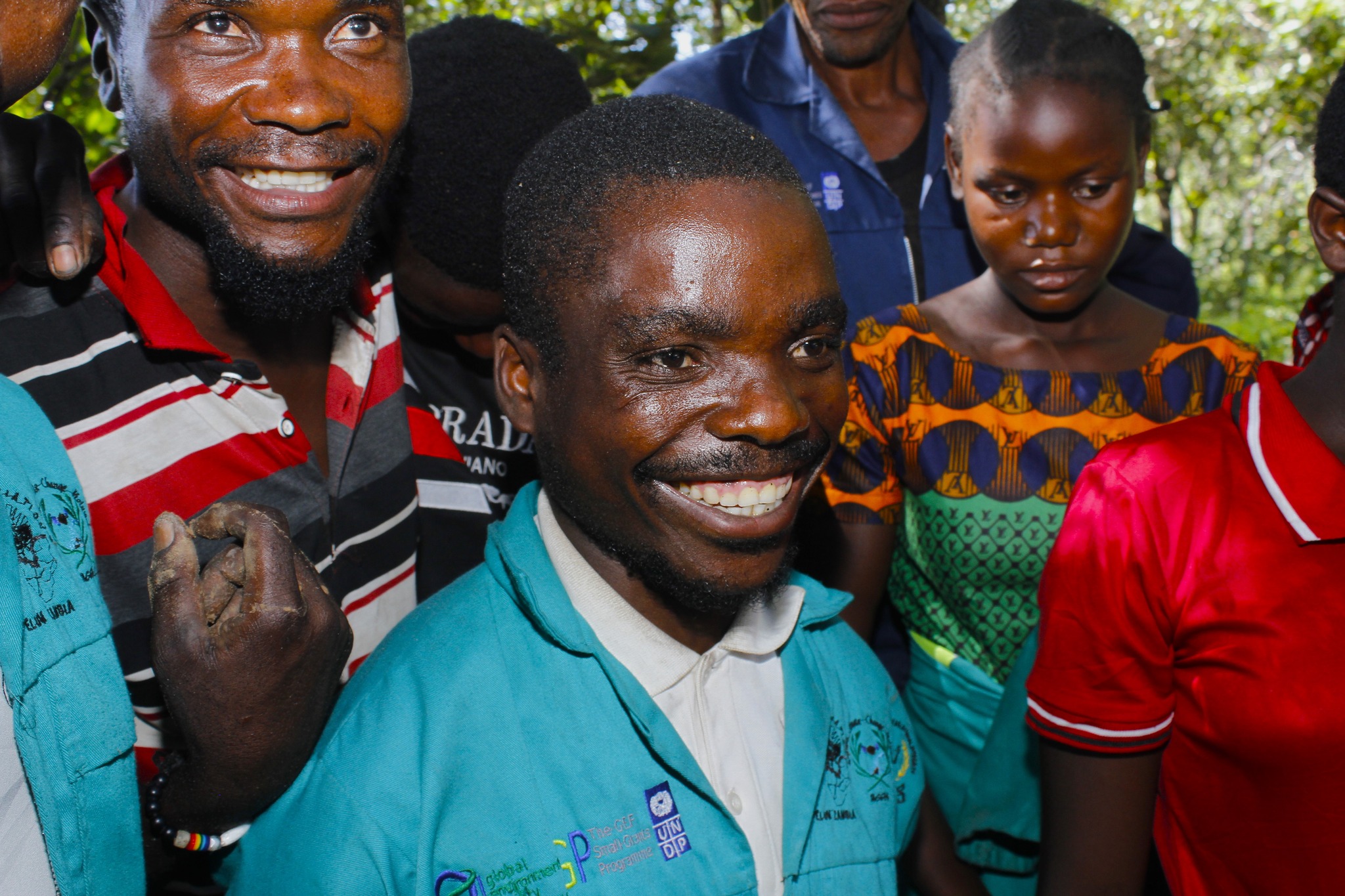
The project implementation yielded several key lessons. Farmers experienced a mindset shift from negative to positive attitudes, driven by ongoing discussions and the tangible benefits they began to see.

Communities also came to understand that development initiatives require full ownership and active participation.

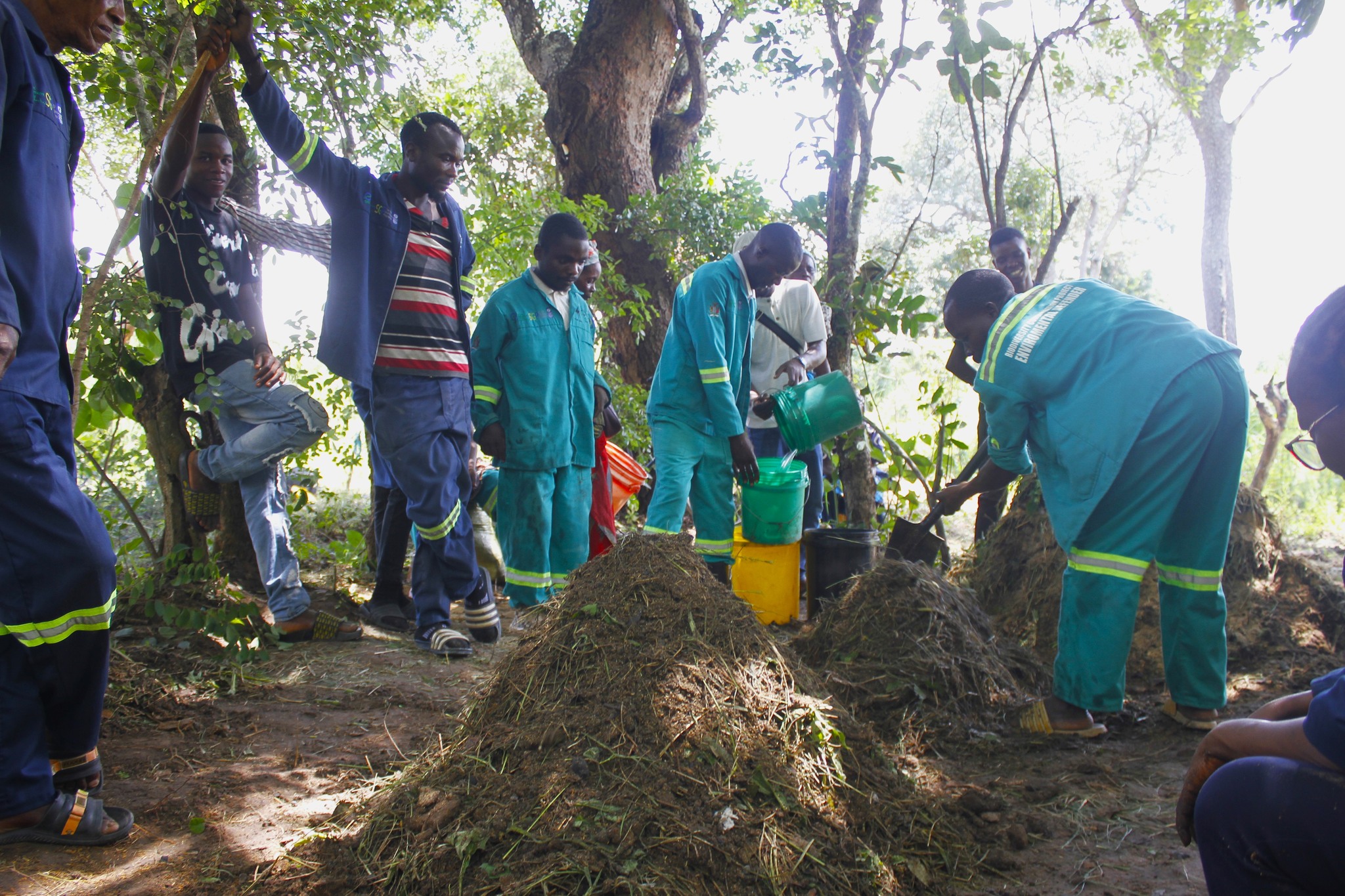
As a result, these communities now view the project as their own. The ripple effect of the training was initiated by the trained lead farmers and environmental stewards. So far, farmers were trained in climate-adaptive practices and techniques, and have since started applying the knowledge gained in their own fields.

The Objective of the assignment was to facilitate the engagement of young women and men in participatory action research and remote sensing for wetland detection and monitoring in the Milenge district of Luapula Province.

Agroecology
training

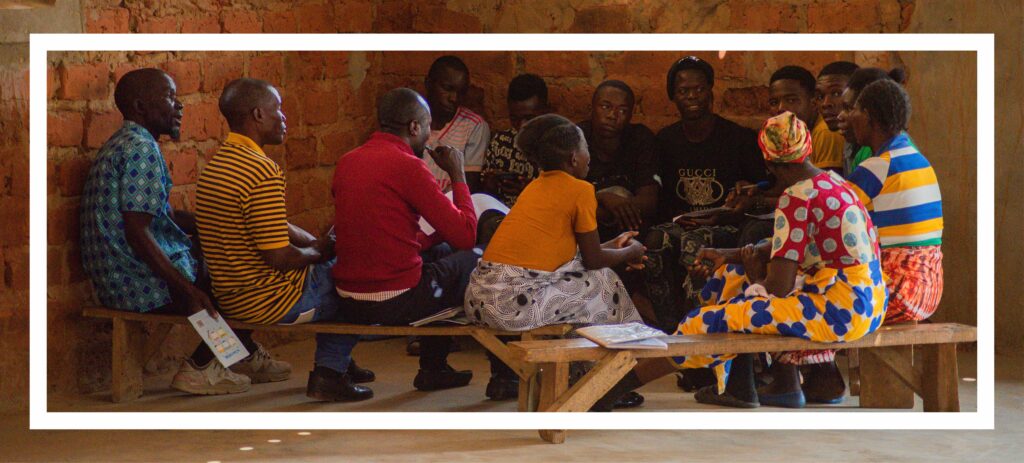
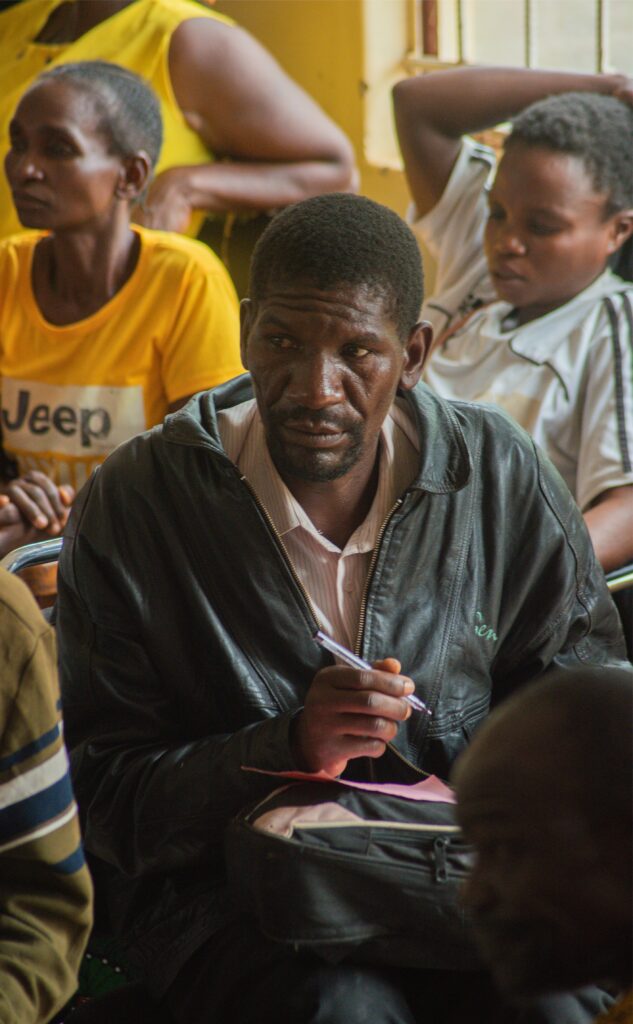
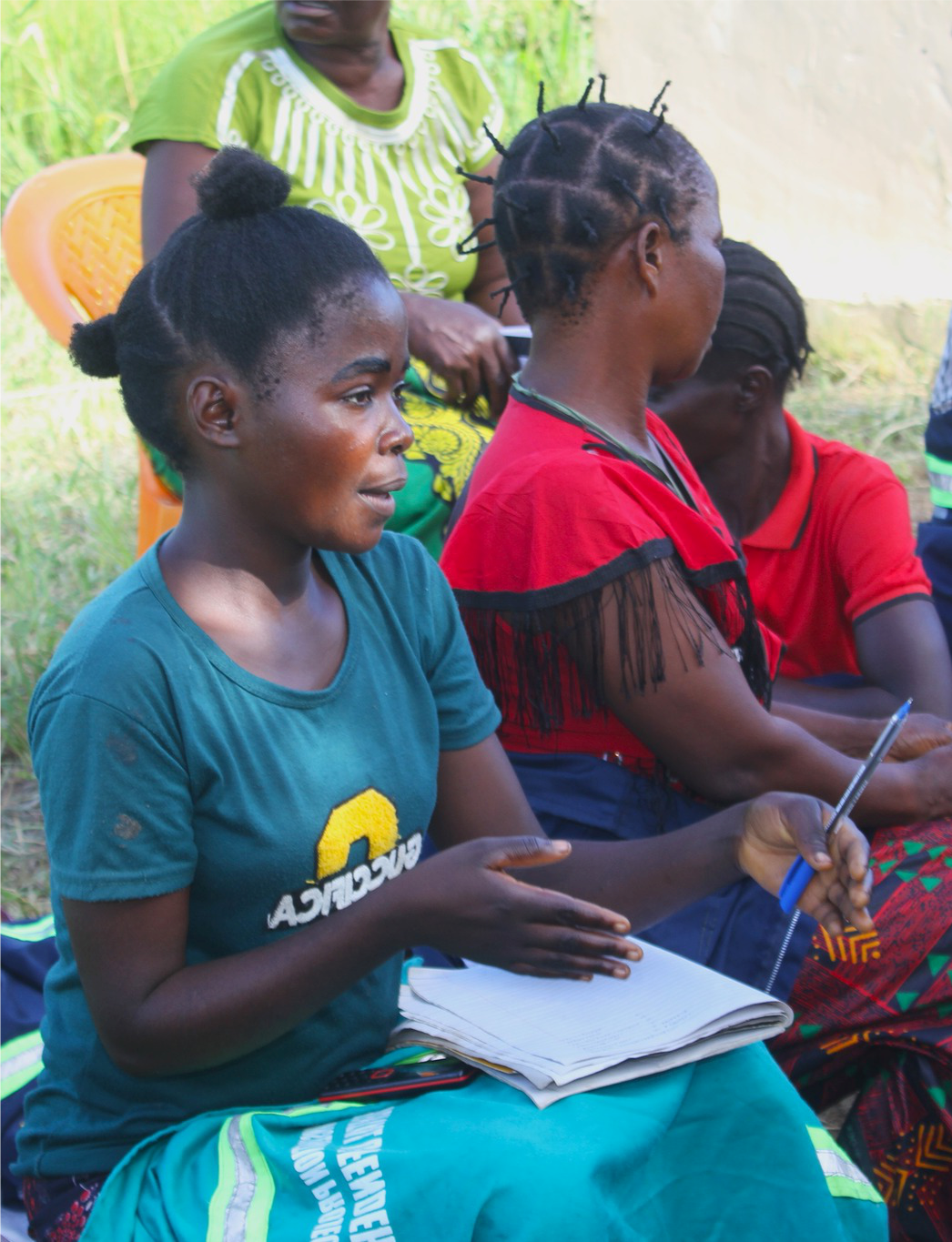
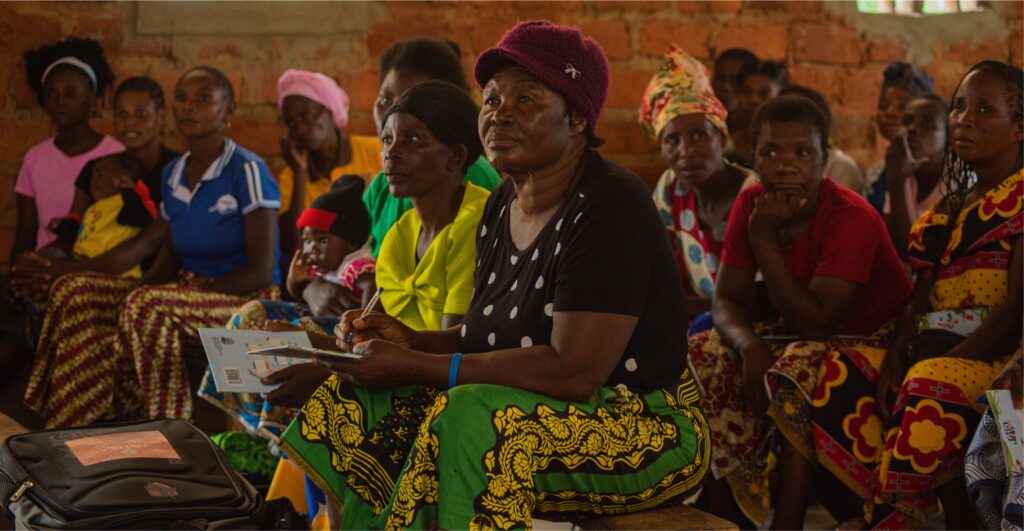
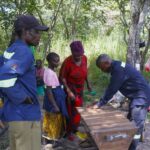
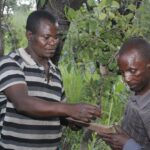
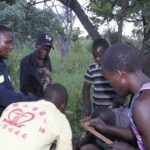
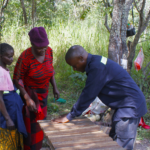
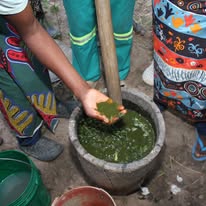
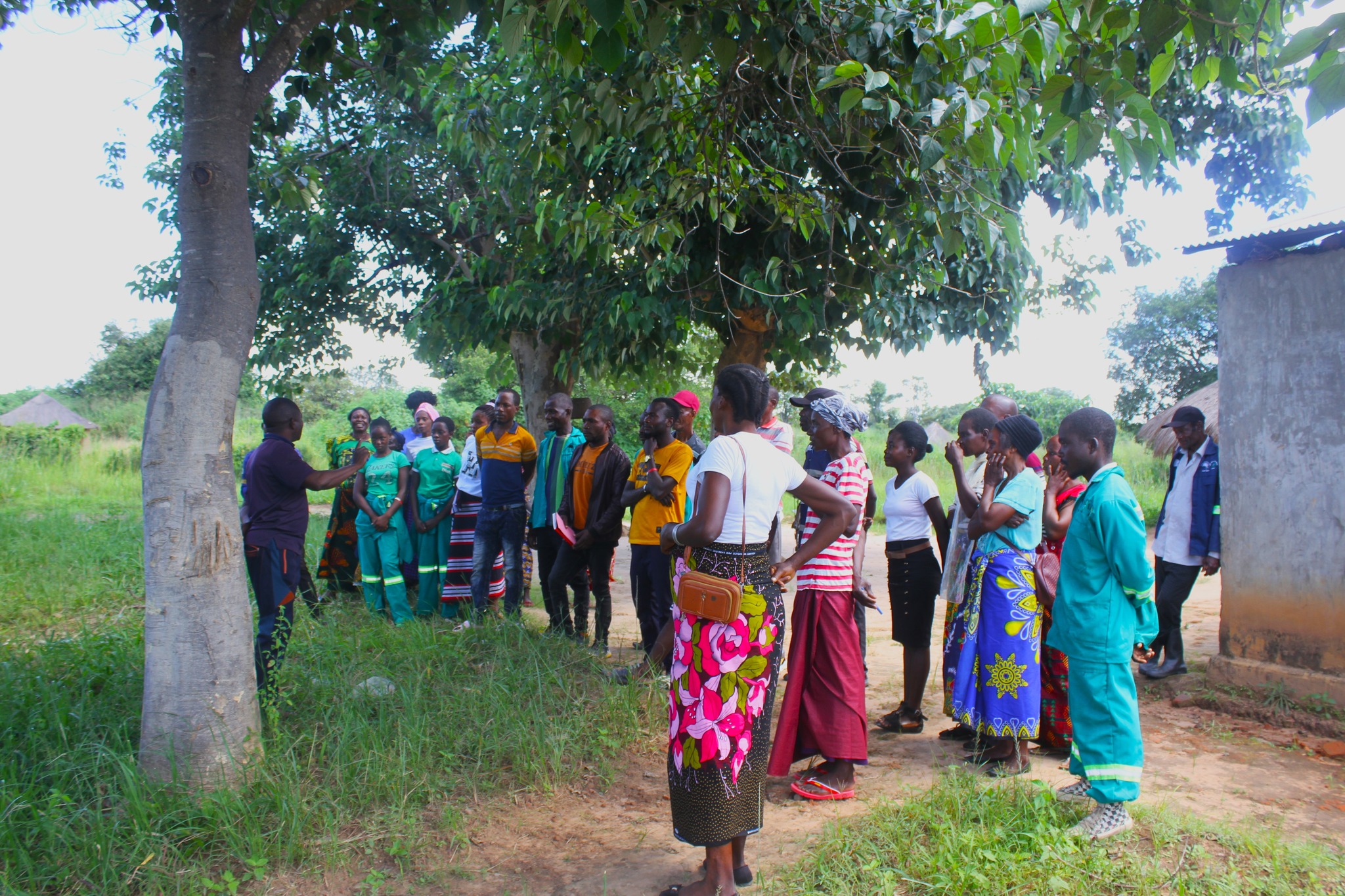
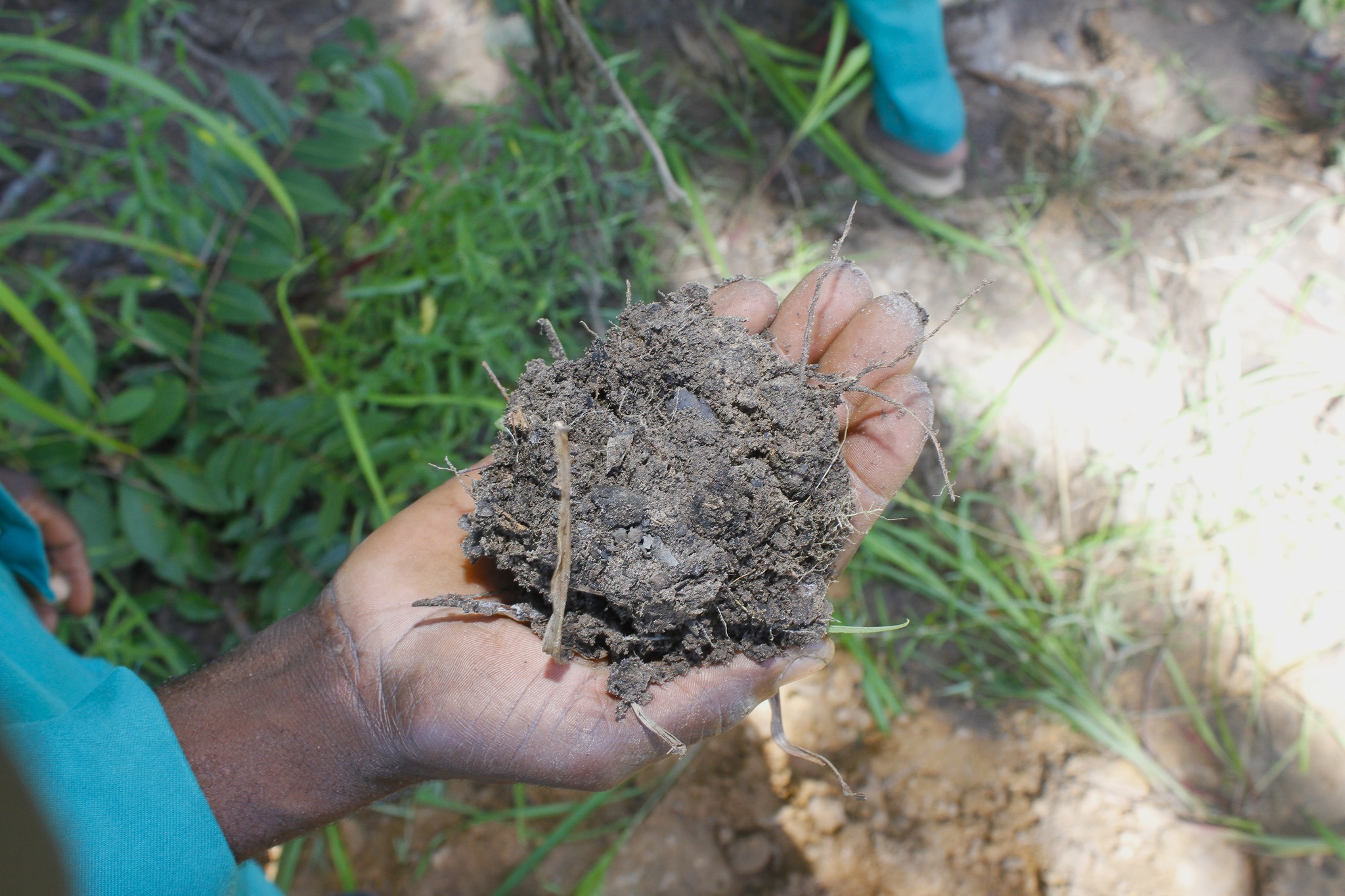
A key training workshop was held in Milenge District focusing on climate-adaptive agroecology and beekeeping. Participants received practical training in soil and water conservation, organic farming, agroforestry, and pest management using natural approaches.

Beekeeping

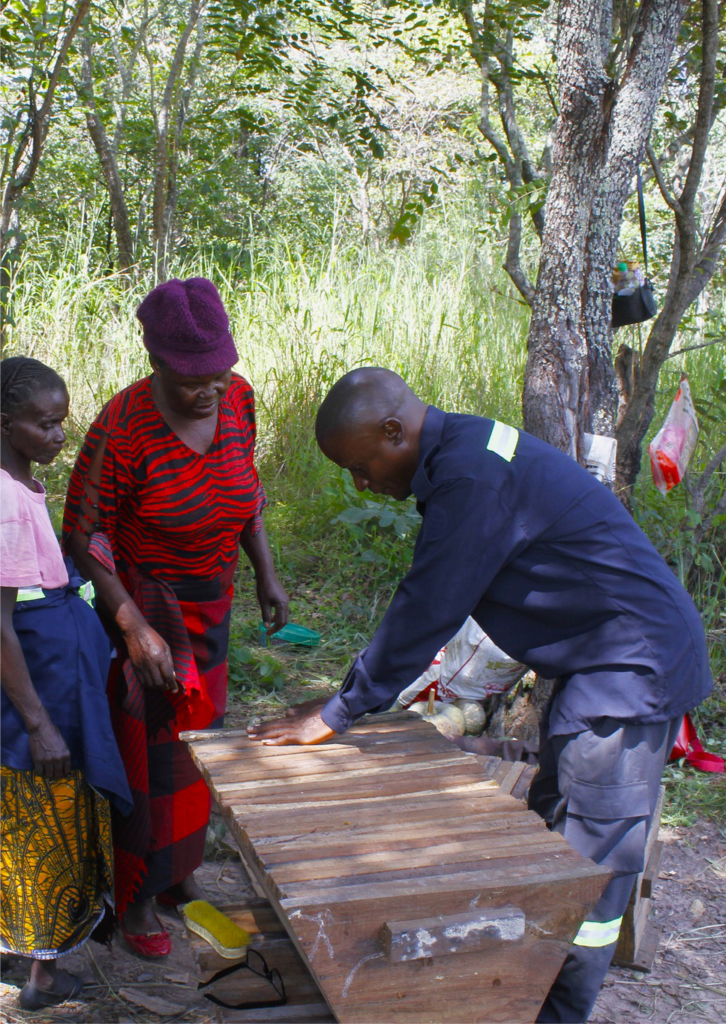
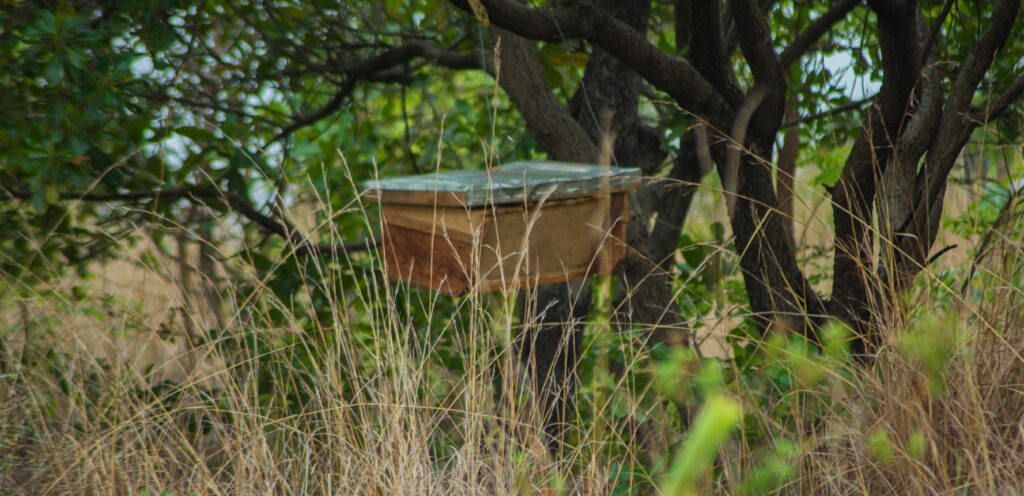
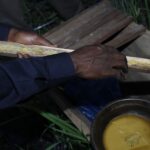
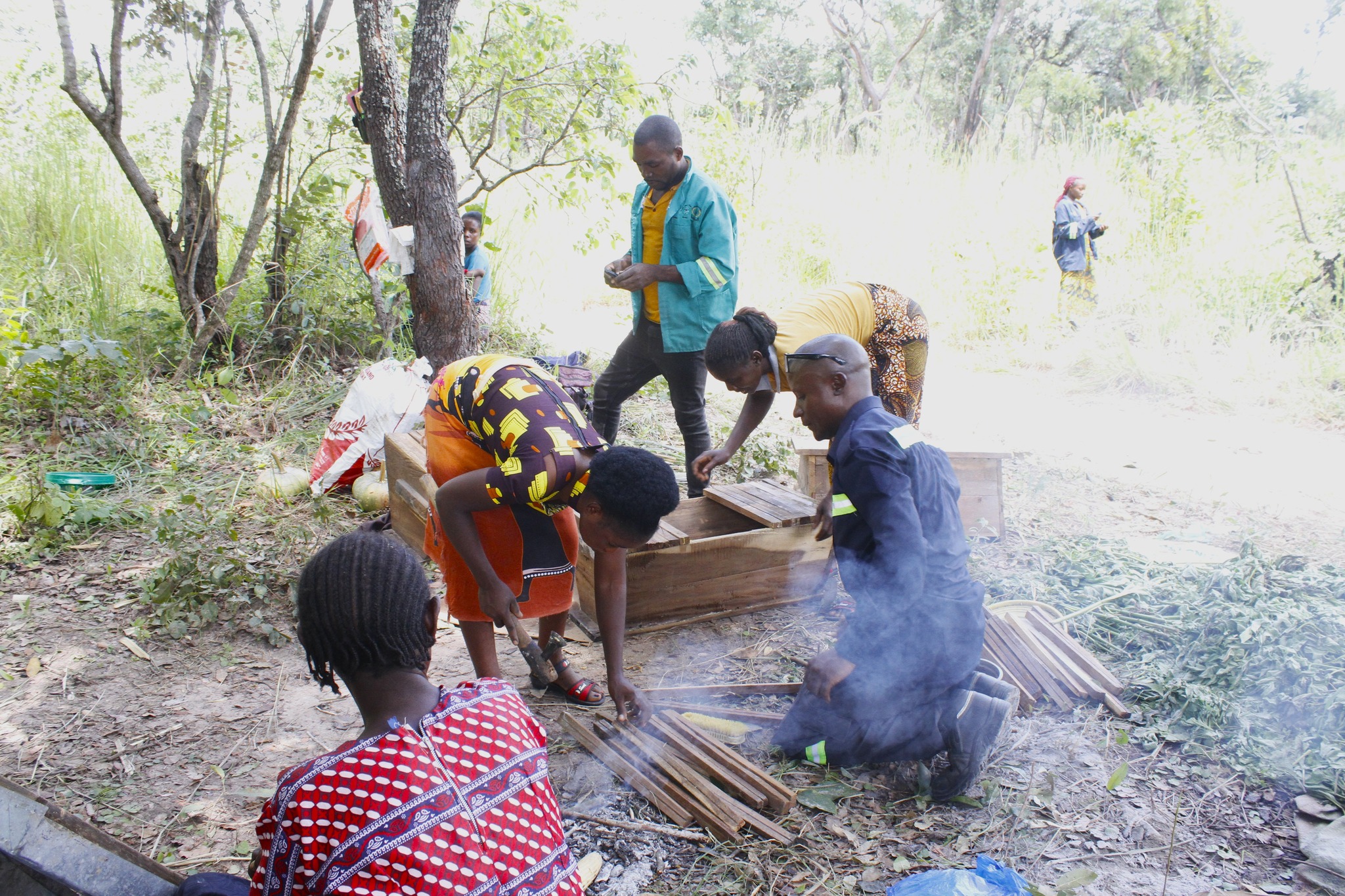
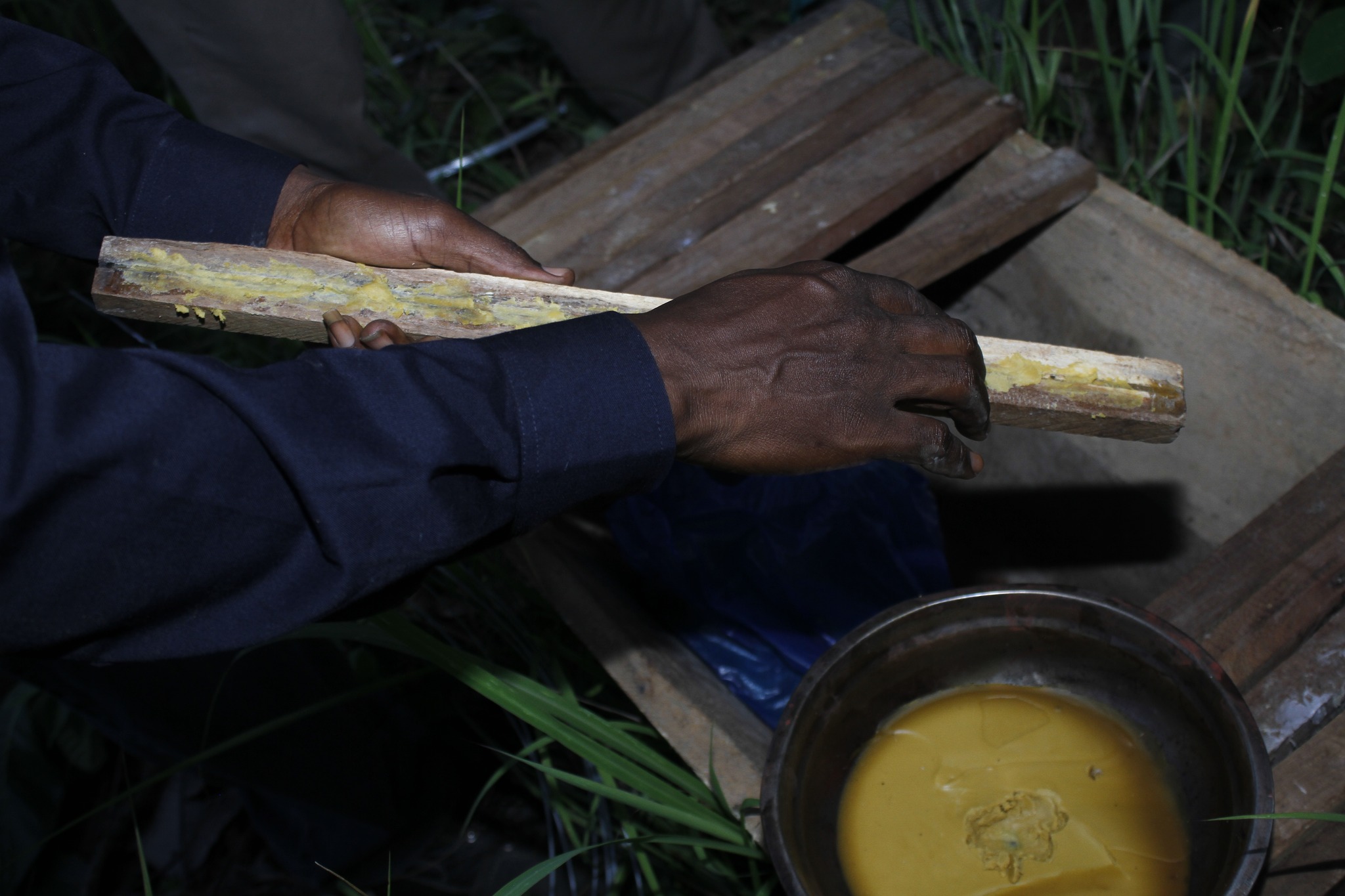
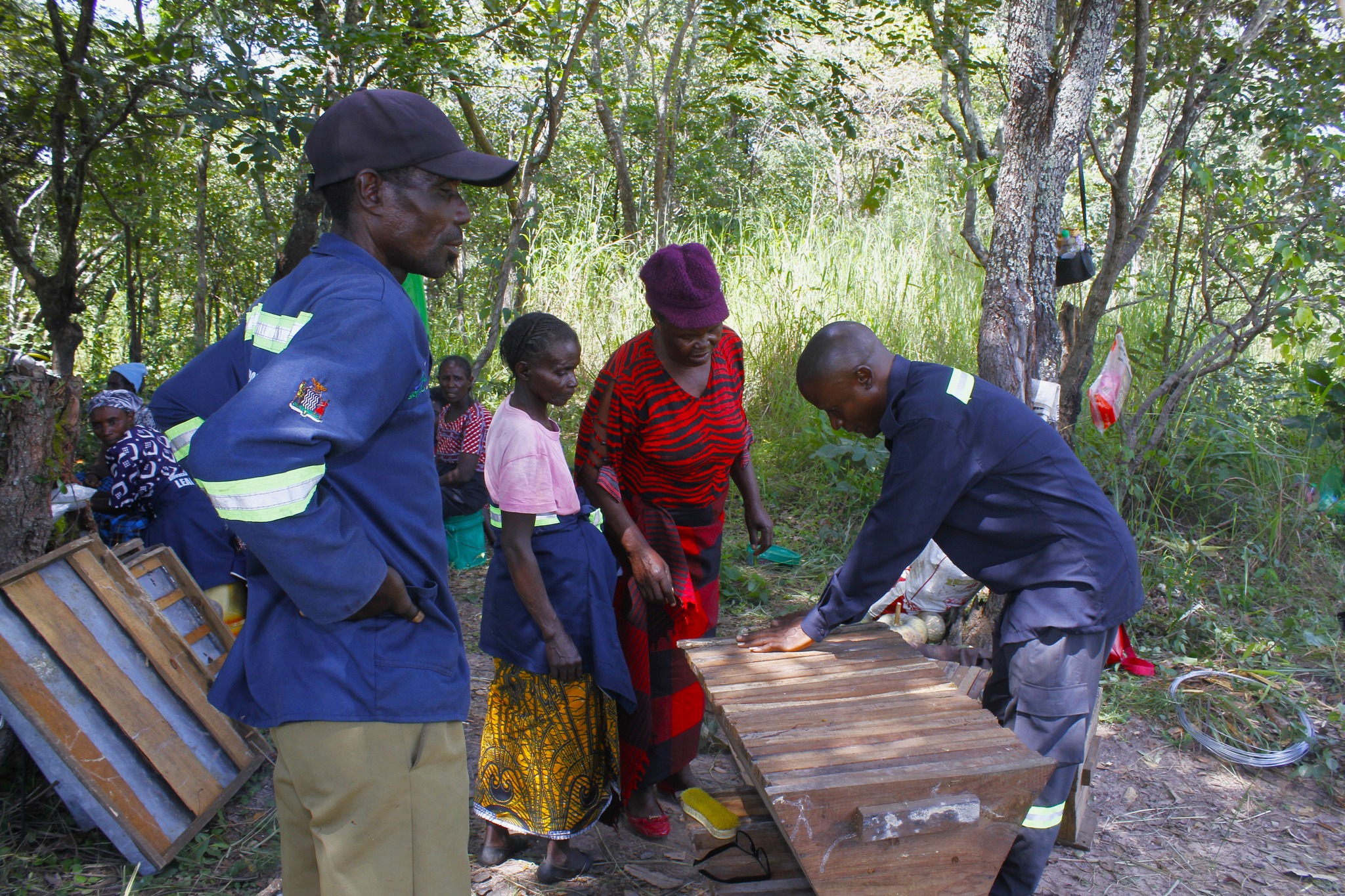
The training covered practical techniques for hive management, pest control, and harvesting, moving from classroom lessons to real-world practice in the field.

Farmers applied these methods directly, building their capacity to diversify income and support pollination in their local ecosystems.

Agroforestry

Farmers realized that planting and managing trees requires long-term commitment and community ownership. With support from trained lead farmers, they began applying agroforestry techniques in their fields, understanding that healthy land and healthy trees go hand in hand with food security.

Document Report

Powered By EmbedPress

Results

The project has made significant strides toward landscape-level impact by transitioning     from small-scale demonstrations to wide-scale application. Through the establishment of the 0.2 km² (2-hectare) demonstration site, the project improved the management effectiveness of critical wetland ecosystems. By training 20 Environmental Defenders as stewards of water bodies and biodiversity, the project has institutionalized the protection of these habitats.

  1. Restoration of Degraded Land through Agroecological Management
  2. The project is demonstrating measurable progress toward the restoration of 30 km² (3,000 hectares) of degraded land of which 28.3 km² has been worked on through a structured multiplier model. A total of 70 trained community leaders comprising 20 Environmental Defenders and 50 Lead Farmers are each managing approximately 0.43 km² of land using agroecological practices. These practices include Integrated Land Use Design (ILUD), zero burning, and agroforestry systems, resulting in improved land management, reduced land degradation, and enhanced ecosystem resilience across the targeted landscape.
  3. Improved Vegetative Cover and Soil Fertility

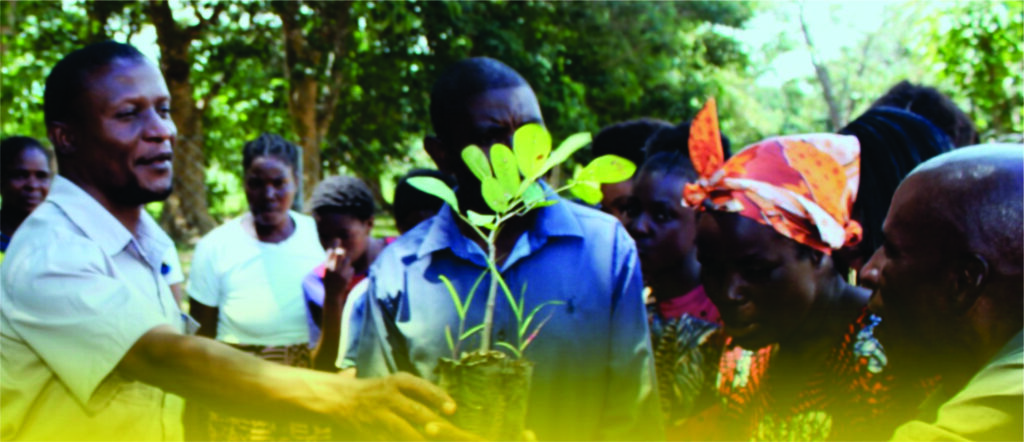
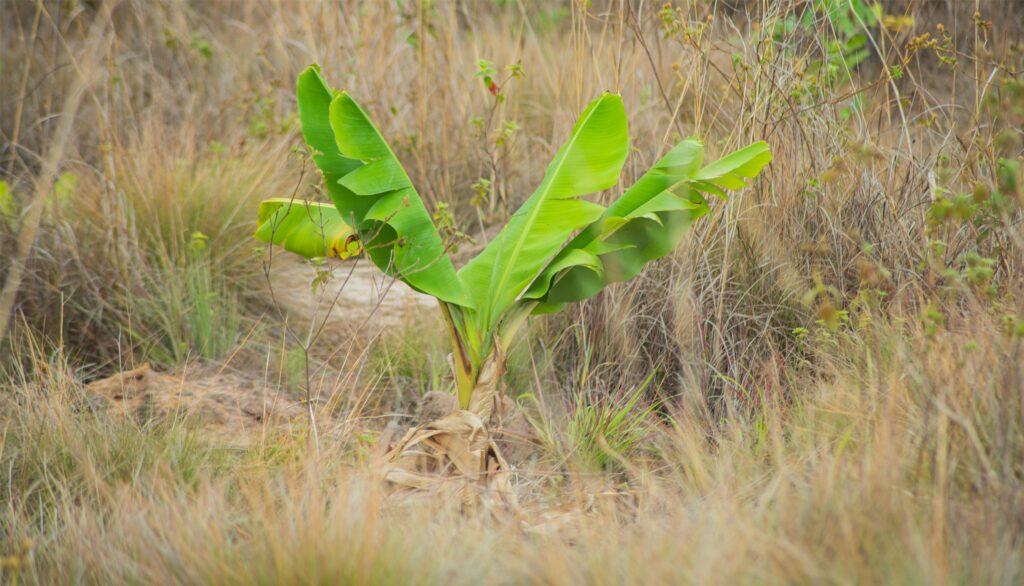
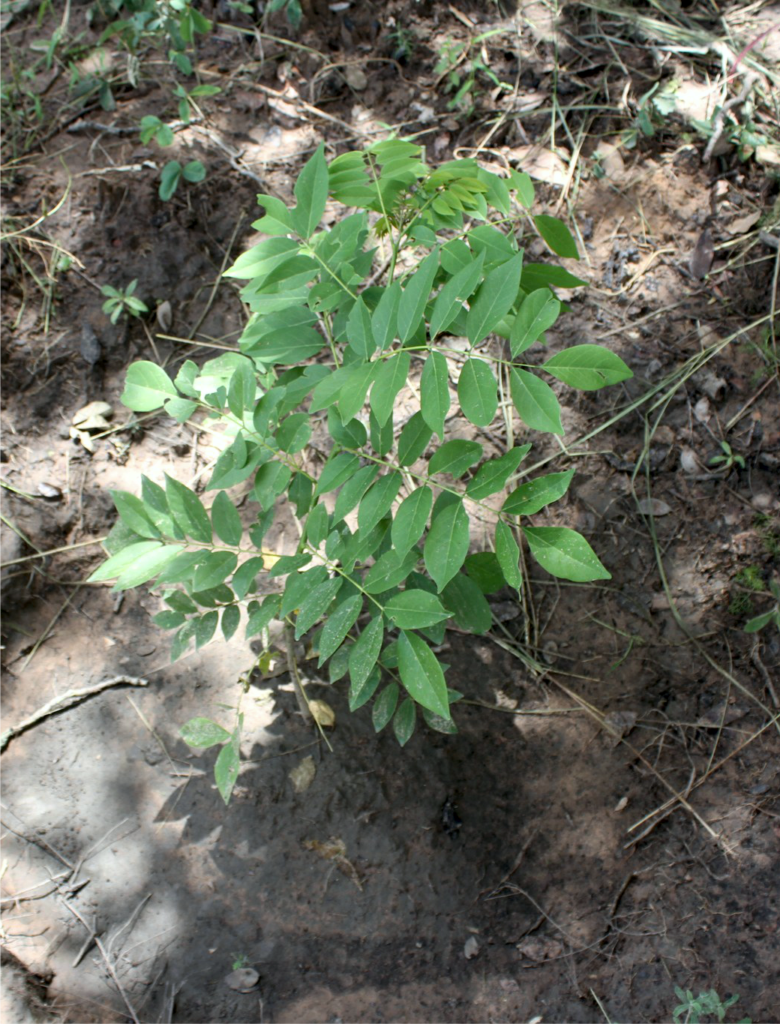
  4. The targeted distribution and establishment of 345 tree seedlings (Musangu, Gliricidia, and Leucaena), soil-enhancing cover crop seeds (Sunn hemp and Velvet beans), and 50 banana suckers has led to increased vegetative cover and improved soil conditions across the intervention areas. These inputs have strengthened soil structure, enhanced nutrient cycling, and contributed to the regeneration of degraded land, thereby supporting sustainable agricultural productivity within the 3,000-hectare restoration.

  5. The project successfully strengthened decentralized natural resource governance through the formation of 8Natural Resource Management (NRM) teams at community level. These teams were established to empower community stakeholders to actively participate in decision-making, stewardship, and sustainable management of natural resources. This community governance structure has enhanced community ownership, accountability, and responsiveness to environmental conservation needs.

  6. Currently, 6 out of the 8 teams remain fully active, demonstrating sustained community engagement despite some fluctuations in participation

    due to differing local priorities and variations in resource availability. The project continues to refine resource allocation mechanisms and provide targeted support to ensure consistent performance and functionality across all target wards.

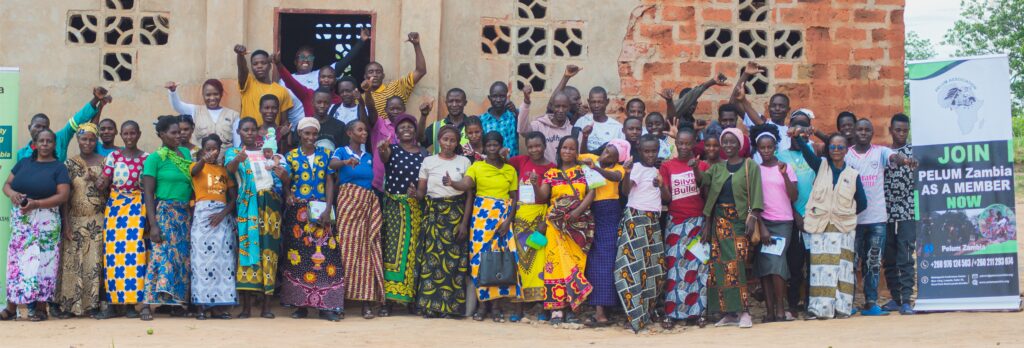
  7. The project reached 150 community members in its initial phase, achieving strong gender balance (80 women and 70 men). Women’s leadership was particularly evident in the Lead Farmer initiative, where 42 out of 70 trained lead farmers were women, strengthening women’s influence in climate adaptation, sustainable agriculture, and natural resource management decision-making.

  8. Inclusivity was further promoted through deliberate engagement of vulnerable groups. Eight caregivers from households with persons living with disabilities were trained, alongside one person living with a disability who directly participated, ensuring equitable access to project benefits and knowledge.
  9. The project exceeded its initial outreach targets through a multiplier training model, whereby 50 Lead Farmers each mentored approximately 10 additional farmers, resulting in 500 farmers gaining climate-adaptive agricultural skills. This approach significantly expanded knowledge dissemination, strengthened peer learning networks, and increased community capacity to adopt sustainable land management practices.
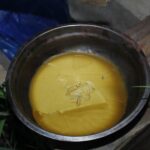
  10. To reduce pressure on natural resources while improving household income, the project trained 95 farmers (57 women and 38 youth)in sustainable beekeeping. The distribution of 16 beehives has catalyzed local honey production, contributing to economic resilience while enhancing ecosystem services such as pollination, biodiversity conservation, and landscape restoration.

Project Activities