Market and Seed Access Project
About The Project
Through its dedicated efforts, MASAP has made significant strides in empowering communities and transforming agricultural practices, with tangible outcomes:
- 23,936 Persons with Better Employment: MASAP’s interventions have led to improved employment opportunities, uplifting individuals and families across Zambia and Zimbabwe.
5,563 Smallholder Farmers (SHFs) with Increased Incomes: By enhancing access to markets and supporting seed production, MASAP has enabled thousands of smallholder farmers to achieve greater financial stability.
MASAP’s Outcomes
- 28,314 SHFs Reached: MASAP has successfully reached a wide network of smallholder farmers, extending its support to enhance agricultural productivity and resilience.
- 23,936 SHFs with Access to Markets: Access to markets is vital for smallholder farmers’ economic success, and MASAP has facilitated market linkages for thousands of farmers.
- 5,195 SHFs Engaged in Seed Production: By engaging smallholder farmers in seed production activities, MASAP has strengthened seed systems and enhanced farmers’ self-reliance.
- 5 Multi-Stakeholder Policy Engagement Platforms: MASAP fosters dialogue between project stakeholders and policymakers, facilitating evidence-based exchanges to drive policy changes.
The Out Puts
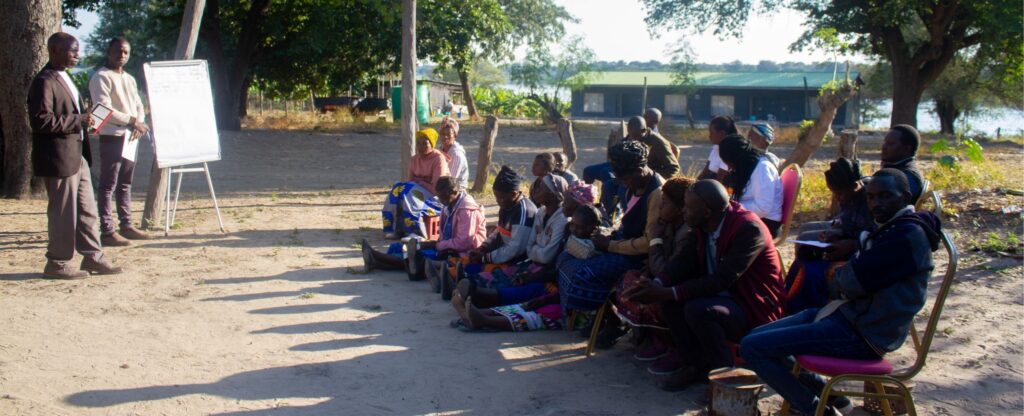
- 7 Farmer Associations Strengthened: MASAP’s support has bolstered farmer associations, empowering them to provide essential services to their peers.
• 23,936 SHFs Increased Access to Certified Seed: Access to high-quality seeds is critical for agricultural productivity, and MASAP has ensured that thousands of farmers have access to certified seeds of supported small grains and legumes.
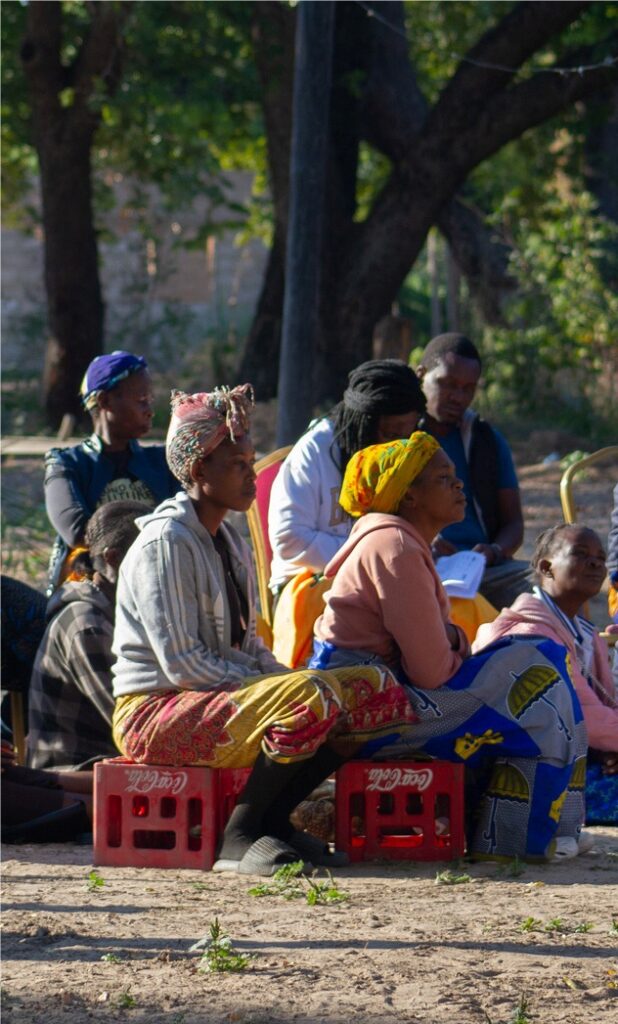
• 100% Women Empowered as Leaders: Strengthened farmer groups under MASAP have ensured gender inclusivity, with women empowered as leaders in all supported associations.
• Over 23,000 SHFs More Resilient to Climate Change: MASAP’s interventions have equipped farmers with resilience-building strategies, enabling them to better cope with the adverse effects of climate change.
• 1 Public-Private Partnership Established: MASAP has facilitated a partnership in essential goods and services (EGS) production and marketing, fostering collaboration between the public and private sectors.
• 20 Business Models and Value Chain Mechanisms Supported: MASAP’s support for business models and value chain mechanisms has promoted innovation and sustainable economic growth.
Project Activities
MARKET AND SEED ACCESS PROJECT
Chipata Traditional Seed and Food Festival Reflection Meeting
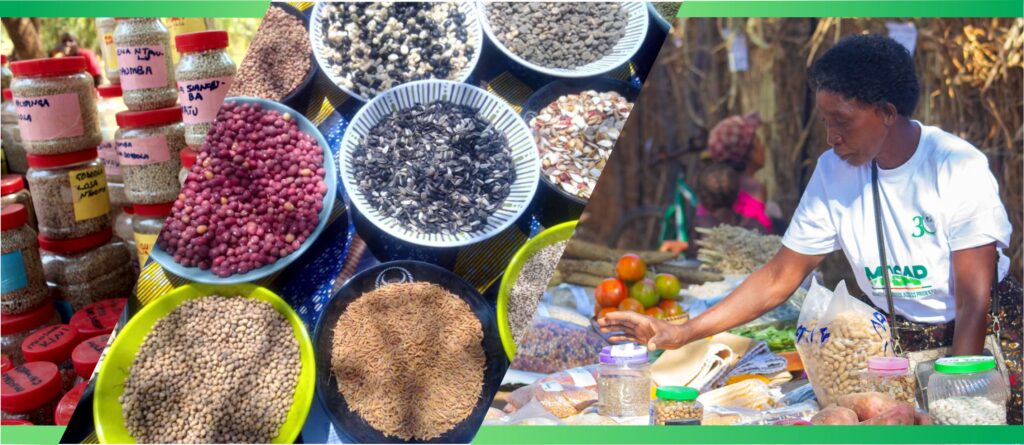
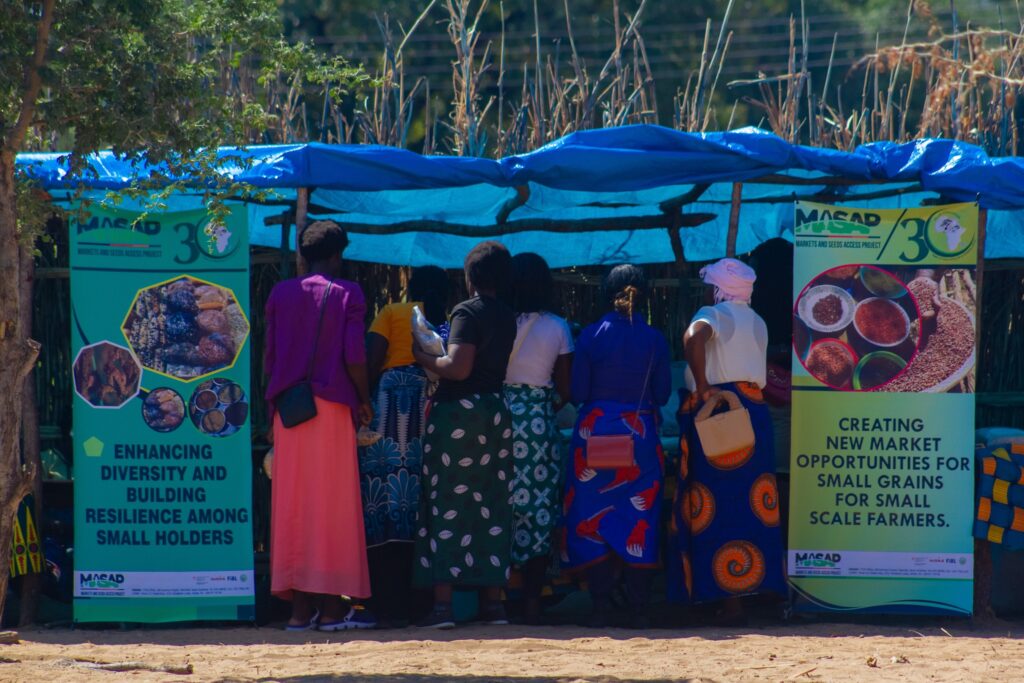
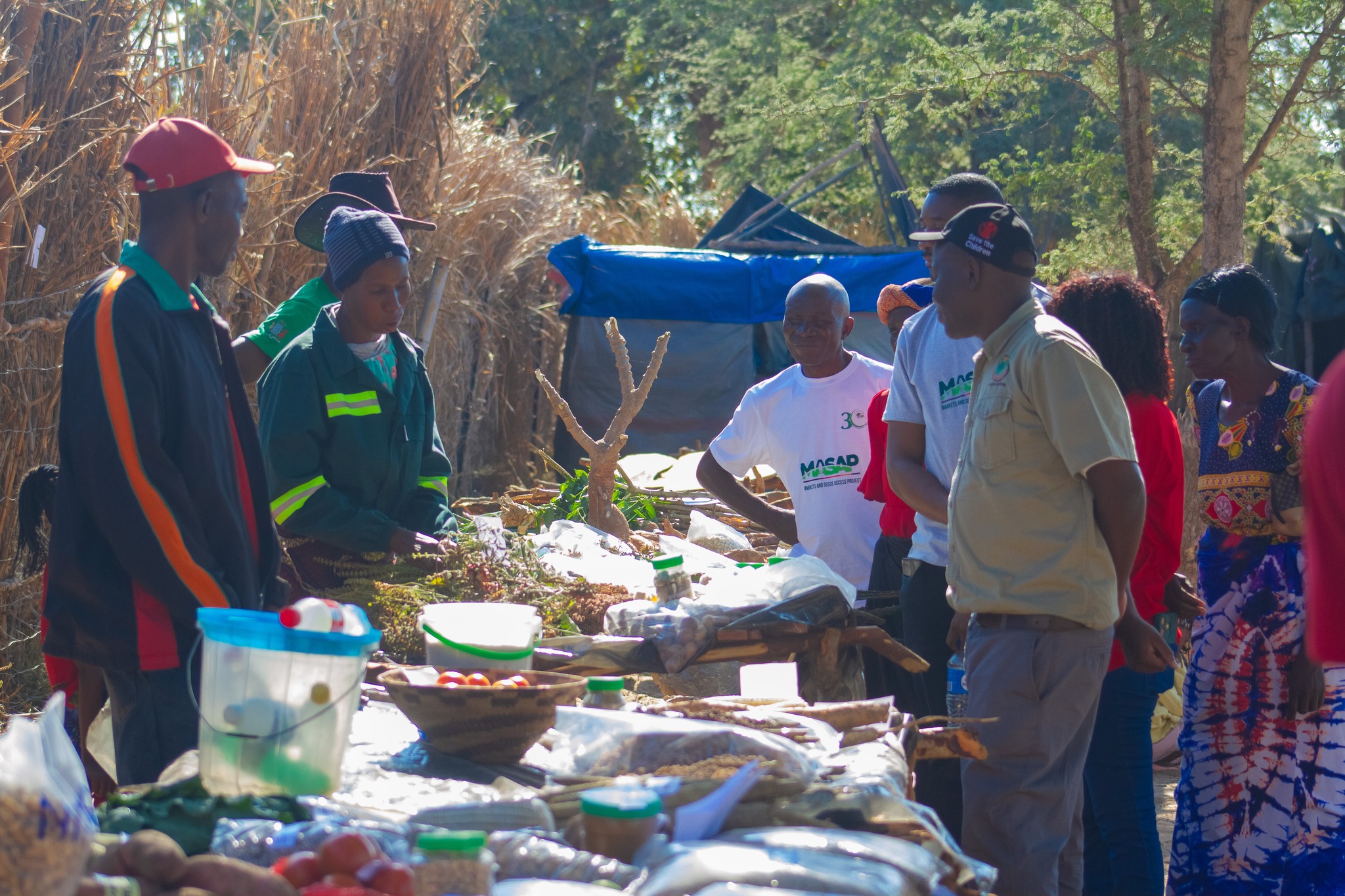
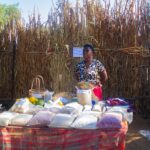
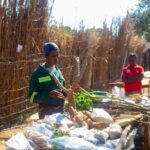
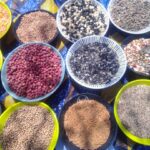
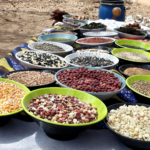
The Chipata Seed Festival proved to be a valuable and insightful event for farmers, stakeholders, and the general public. The event offered a unique platform for various organisations and farmers to showcase diverse seed varieties and farming practices. It also facilitated meaningful dialogue on key issues such as indigenous agriculture, seed sovereignty, and sustainable food systems.
Highlights and Successes
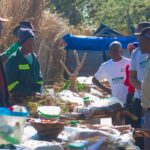
Participants widely appreciated the festival’s organisation and purpose. Many praised it as a critical space for promoting agricultural knowledge, encouraging farmer innovation, and celebrating local seed diversity. The overall atmosphere was both educational and celebratory.
One of the most inspiring moments was the awards ceremony, where outstanding farmers and organisations were recognised for their contributions to seed saving, innovation, and sustainable agriculture. This recognition was a strong motivational factor, inspiring both awardees and other attendees to strengthen their engagement in sustainable farming.
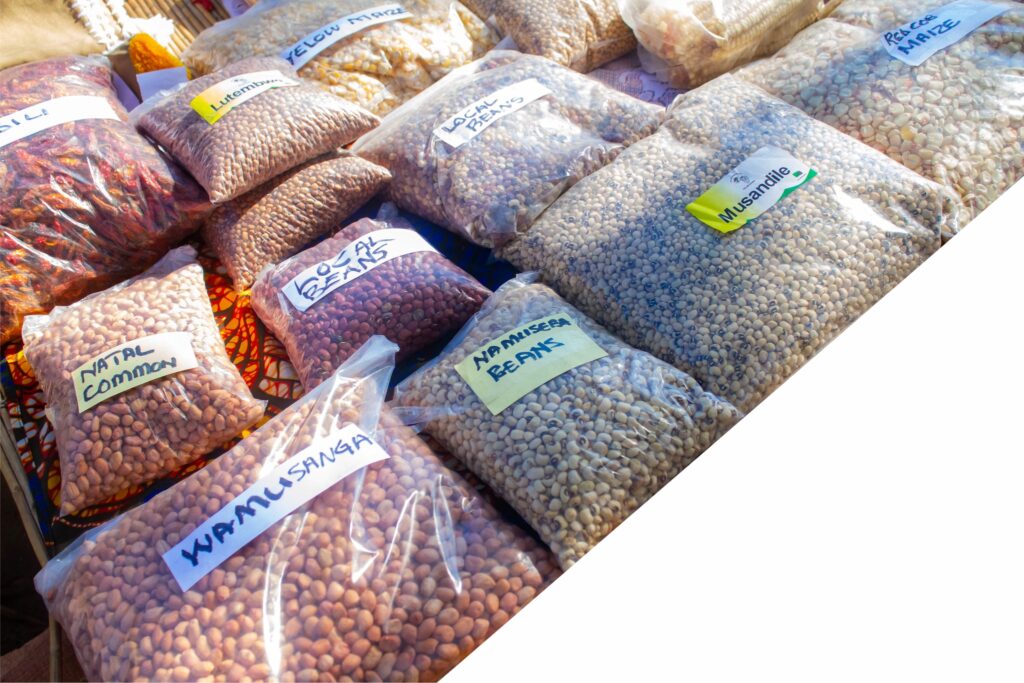
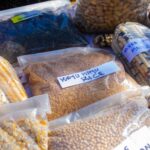
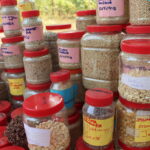
Another notable achievement was the improvement in seed packaging and presentation. Exhibitors demonstrated increased attention to detail, making their seed displays more attractive, organized, and easier to understand. This reflects a growing level of professionalism and awareness among seed producers of the importance of branding, marketing, and accessibility.
Challenges Identified
Despite the many positives, several challenges emerged during the festival:
1. Scheduling Conflict
The festival coincided with another major event in the district, which negatively impacted attendance. This overlap led to a lower-than-expected turnout and limited participation from stakeholders who were forced to choose between events.
2. Limited Access to Indigenous Seeds
Although the festival focused on local seed diversity, some attendees expressed concern over the limited availability of indigenous seed varieties. Many farmers are still struggling to access diverse traditional seeds suited to their specific local environments.
3. Geographic Reach and Accessibility
While the festival was hosted in Chipata, some farmers from surrounding rural areas found it difficult to attend due to transport and logistical challenges.
Recommendations for Future Festivals
To build on the successes of this year’s event and address identified challenges, the following recommendations were made:
• Improve Event Coordination and Scheduling
Organisers should engage local authorities and other stakeholders early to ensure that future festivals do not clash with other major events. Where overlaps are unavoidable, co-hosting at the same venue could maximize participation and foster collaboration.
• Enhance Seed Accessibility and Diversity
Efforts should be made to improve the distribution and availability of indigenous seeds through community seed banks, seed fairs, and partnerships with farmer cooperatives. This would enrich the festival displays and directly support on-farm biodiversity.
Expand Outreach and Transportation Support
To increase participation from remote communities, organisers
Related Projects