BROT (BREAD FOR THE WORLD)

Brot für die Welt (Bread for the World) is a prominent German development and relief agency that partners with local organizations across Zambia to tackle poverty, hunger, and inequality. Instead of operating its own offices, the agency funds and collaborates with established civil society groups on the ground.

Enhancing Networking and Adoption of Agroecology Practices in Rural Zambia Communities to Improve Livelihood

THE JOURNEY

2022: Planting the Seeds

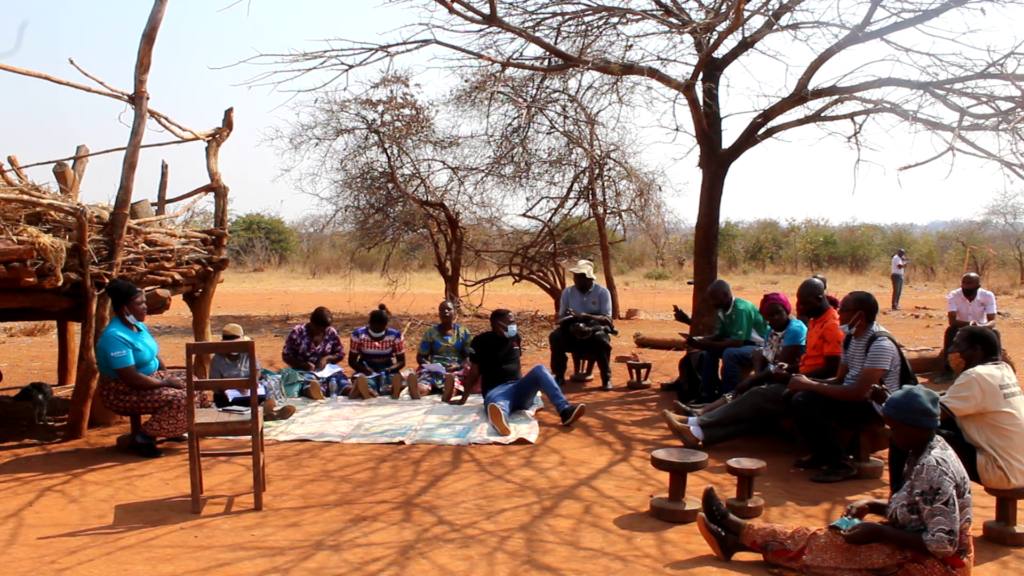
The journey began with inception meetings, baseline studies, and farmer trainings. Farmers learned how to manage plant genetic resources, while leaders in the House of Chiefs heard about the benefits of agroecology. It was a year of laying foundations — creating awareness, building confidence, and planting the first seeds of change.

2023: Growing Connections

Momentum built as Members of Parliament visited agroecology farms to see climate adaptation in action. Media campaigns spread the word on ZNBC and community radio. Women’s clubs received water tanks, strengthening resilience in their communities. This was the year agroecology became visible — not just in fields, but in conversations across Zambia.

2024: Harvesting Change

The project reached its peak with Zambia’s first Agroecology Conference, bringing together 239 participants from across the country. A community seed bank was established in Chinsali, safeguarding traditional seeds for over 5,000 farmers. The #AgroecologyForResilience campaign gave farmers a national platform, ensuring their voices shaped the future of agriculture.

Stories from the Field

By the end of the project, farmers were saving seeds again, communities were diversifying crops, and policymakers were listening.

  • Over 100 farmers trained in seed management.

  • 15 member organizations cultivating more than five traditional crop species.

  • Agroecology recognized in national policy frameworks.

  • A permanent seed bank established to secure Zambia’s agricultural heritage.

These weren’t just numbers — they were stories of resilience, dignity, and hope.

Each story is a testament: agroecology is not just farming — it is survival, innovation, and community.

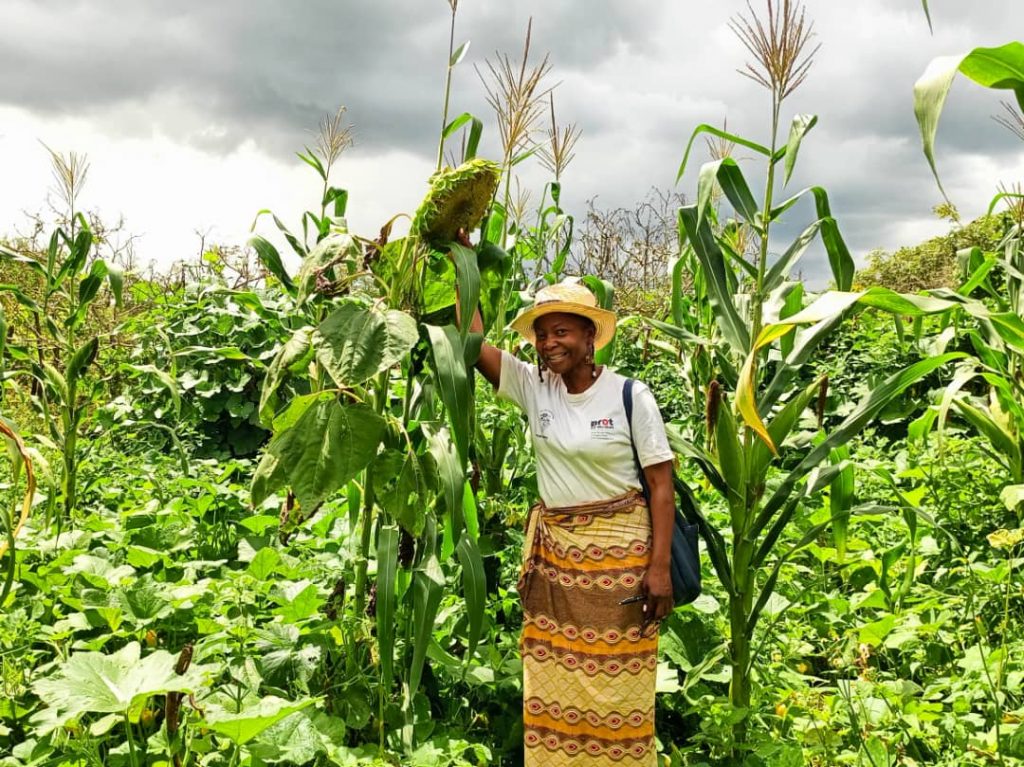
In Southern Province, farmers shifted from monocropping to intercropping, enriching their soils with organic fertilizers like bokashi.

In Eastern Province, lead farmer Mary Ndhlovu mobilized 60 follower farmers, turning seed cultivation into a source of income.

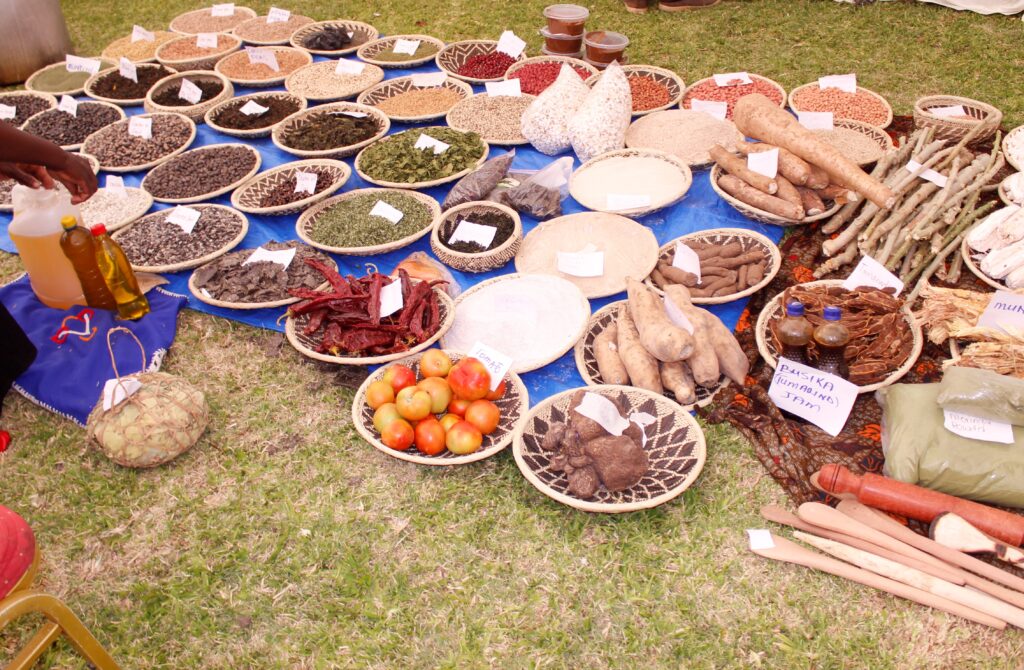
In Muchinga Province, the Chinsali seed bank became a lifeline for thousands of farmers. And in Central Province, communities embraced agroecology after learning at seed and food festivals.


Voices of change

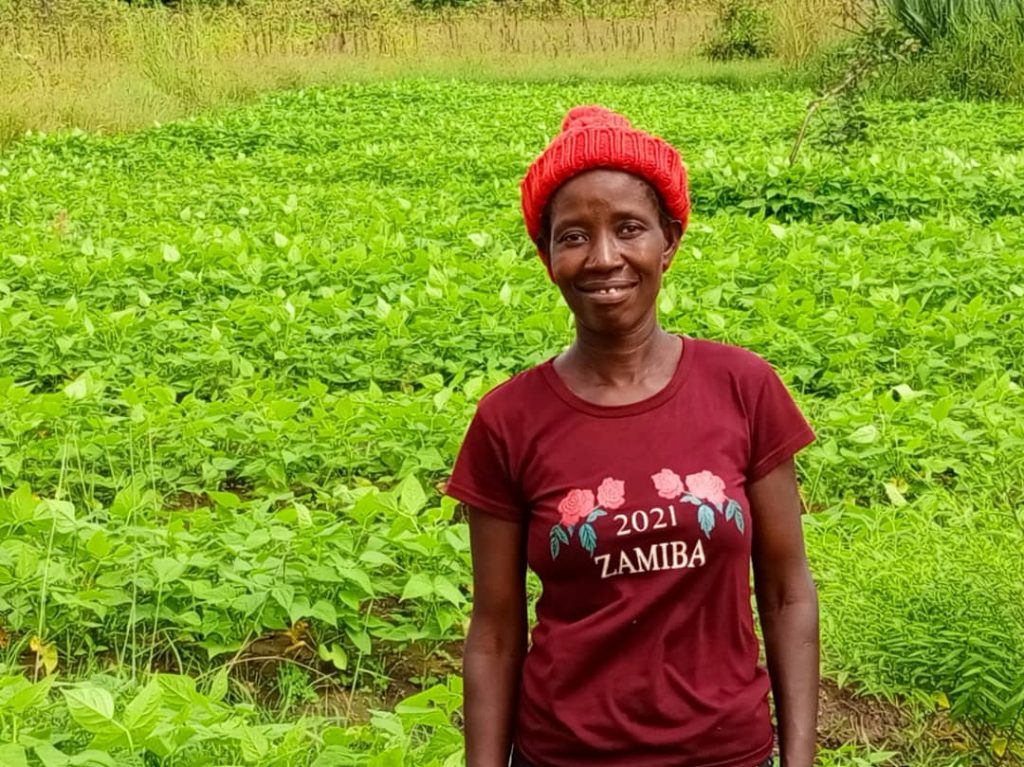
“Agroecology has given us back control over our seeds and our future.” – Regina Mshauko, Farmer from Chipata

“Through networking meetings, I have learned that sustainability is not a project, it’s a lifestyle.” – Mutinta Handondo, Youth Farmer from Choma

These voices remind us that the project’s true success lies in the confidence and pride of the farmers themselves.


Looking Ahead to 2030

PELUM Zambia envisions a Zambia where:

  • Every household enjoys food sovereignty.

  • Youth see farming as a dignified, profitable livelihood.

  • Agroecological products command premium prices in the market.

  • Communities withstand climate shocks through diverse systems.

  • Women and men share leadership equally.

  • The PELUM network expands to over 100 organizations nationwide.

This is not just a dream — it is the next chapter already being written.


Powered By EmbedPress