Research for Agroecology Network of Southern Africa (RAENS)
Project Overview
The RAENS initiative is dedicated to strengthening agroecological research and innovation across Southern Africa. By merging scientific data with indigenous knowledge, the project fosters farmer-centered learning. In this phase, PELUM Zambia and the Zambia Agriculture Research Institute (ZARI) collaborated to implement field-level interventions focused on sustainable pest management and resource identification.
Activity Summary
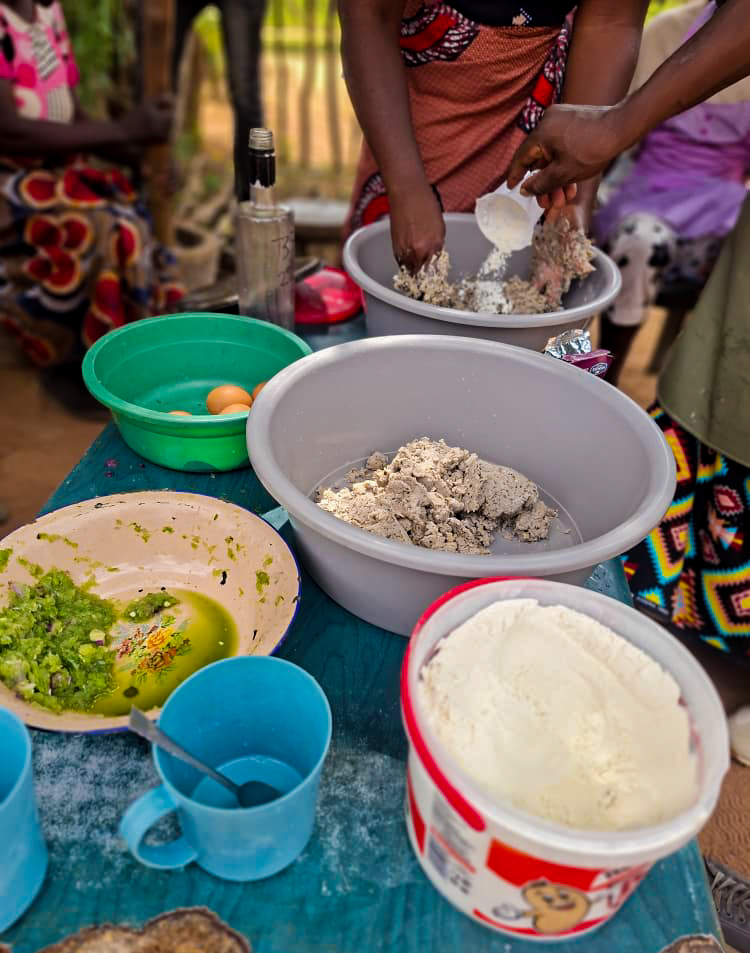
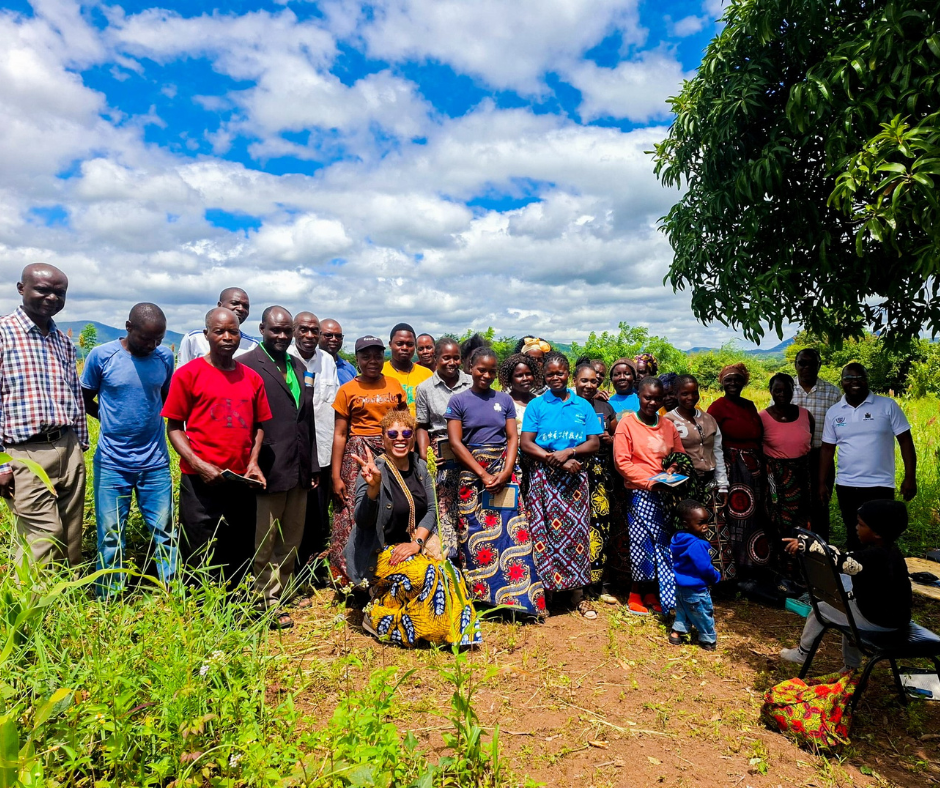
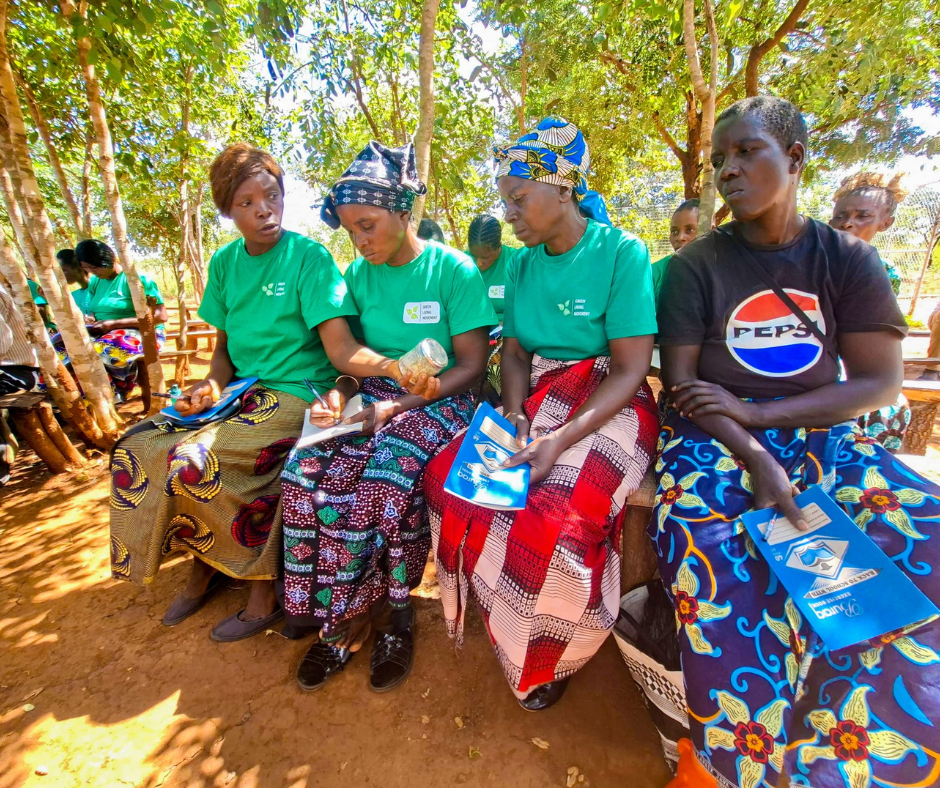
During the reporting period, RAENS conducted a series of participatory sessions in Kayoozi (Chipata), Jenda (Mumbwa), and Mangunza (Choma). The activities reached 90 beneficiaries (47 women, 43 men), including 17 youths. The program integrated practical Integrated Pest Management (IPM) training with community consultations to identify essential farm tools and potential sites for demonstration plots.
Objectives
- To build the capacity of smallholder farmers in sustainable, non-synthetic pest management.
- To identify appropriate tools and technologies tailored to specific community needs.
- To initiate the selection process for local agroecological learning sites (demonstration plots).
Outputs
Practical IPM Training: Farmers were trained in preparing bio-pest control solutions using local ingredients like neem, chili, garlic, wood ash, and soapy water.
Tool Identification: Communities identified specific needs, including rippers, sprayers, watering cans, compost mixing equipment, and wheelbarrows.
Knowledge Exchange: Farmers shared peer-to-peer experiences regarding crop rotation, intercropping, and field sanitation
Increased Self-Reliance: Farmers gained the confidence to manage pests using low-cost, locally available materials, reducing dependence on expensive synthetic chemicals.
Community Ownership: By allowing communities the time to select their own demonstration plot locations, the project secured higher levels of local commitment and sustainability.
Enhanced Awareness: Immediate improvements were noted in farmers’ ability to identify pests and understand the environmental benefits of organic solutions
Challenges and Recommendations
- Challenge: The time allocated for hands-on practical sessions was insufficient, limiting the depth of technical mastery for some participants.
- Recommendation: Future training schedules should pivot toward a “Field-First” approach, allocating at least 70% of the time to practical demonstrations and observation rather than theory.
Way Forward
- Tool Procurement: Prioritize the timely delivery of the identified tools to ensure momentum is not lost.
- Technical Support: Provide ongoing mentorship as communities finalize the selection of demonstration plots.
- Scaling: Use the evidence gathered from these sites to advocate for the wider adoption of IPM practices across the RAENS network.
Conclusion
The activities successfully advanced the RAENS agenda by bridging the gap between agroecological theory and field practice. The high level of engagement from both farmers and District Agricultural Officers underscores the demand for sustainable farming models that improve resilience and productivity while safeguarding human and environmental health.
Project Activities
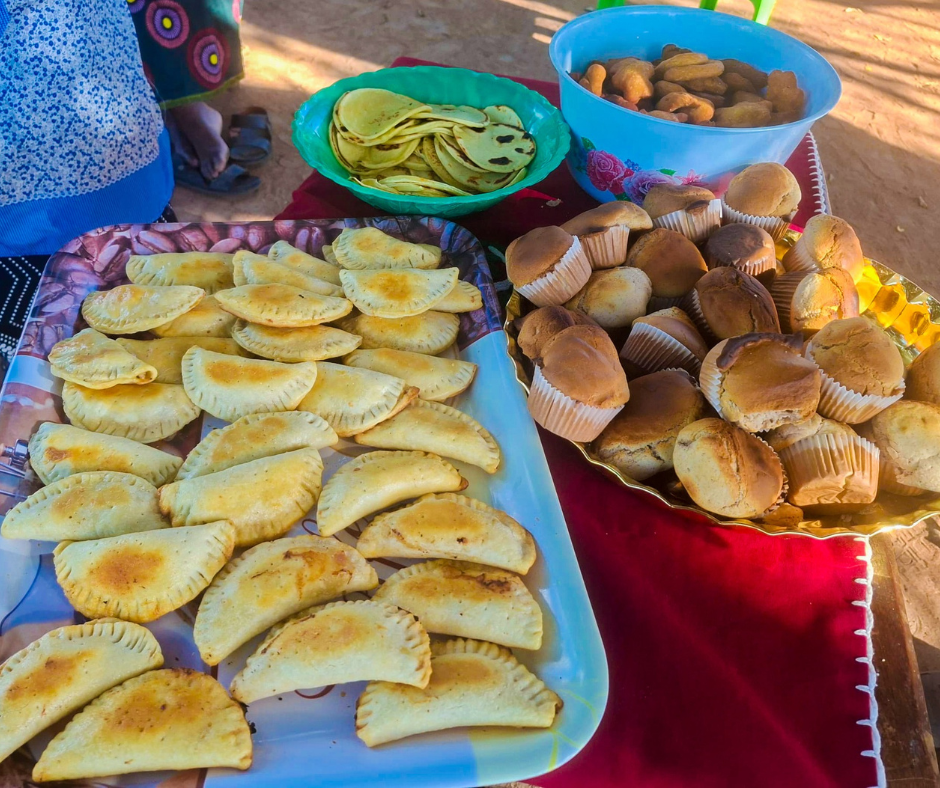
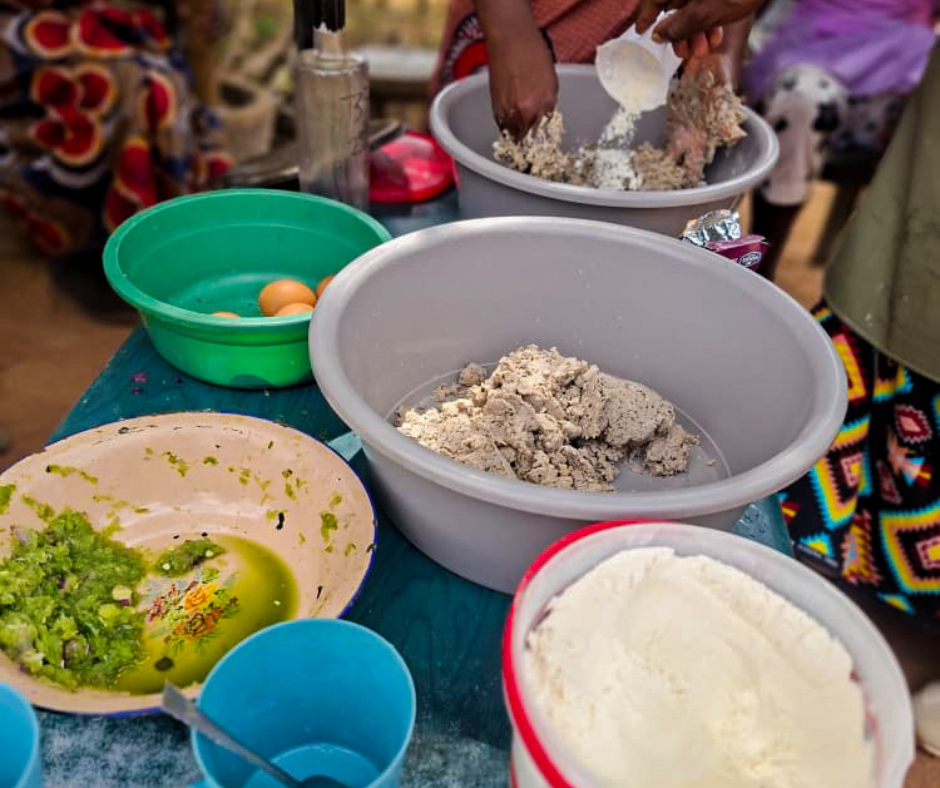
POST-HARVEST MANAGEMENT AND VALUE ADDITION TRAINING
Training on the Utilization of Cowpea, Sweet Potato, Sorghum and Maize in Chipata, Choma and Mumbwa Districts