Integrating Biodiversity Conservation and Community Livelihoods in the Luapula Landscape

About The Project

The project objective was aimed at restoring 30 km2 square kilometers of degraded Luapula wetlands in Milenge District, and 28.3 km2 has been worked on through promotion of biodiversity conservation and climate change.

Activities & Outputs

  1. Formation of community based natural resource management teams.
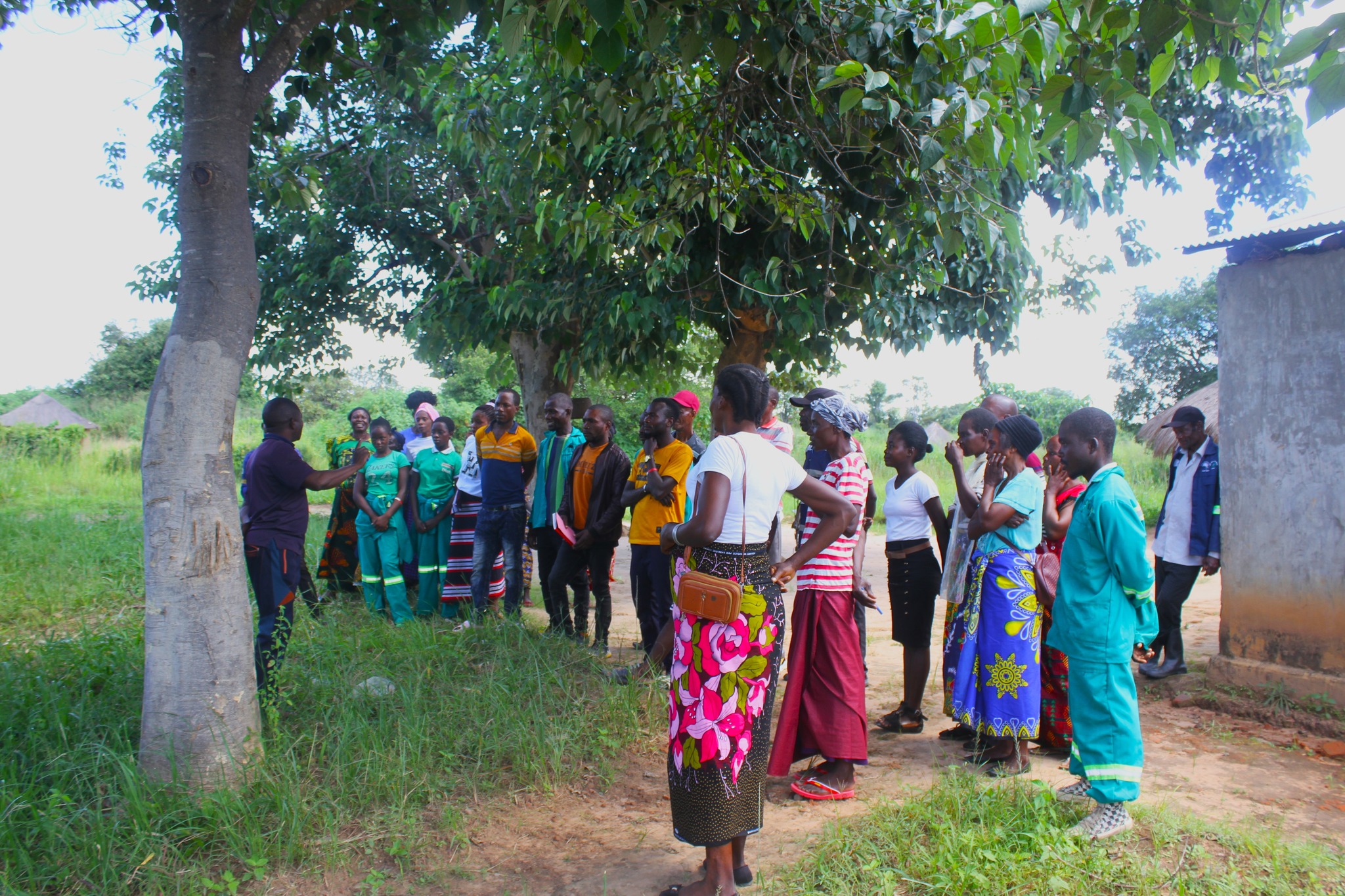
  2. Capacity building of 30 environmental defenders in all three wards.

  3. Support communities to develop and implement community based management plans for biodiversity reserves.

  4. Establish native restoration areas and engage communities in community led conservation activities

  5. Provide training workshops on climate adaptive practices and techniques (Sustainable agriculture. Agroecology).

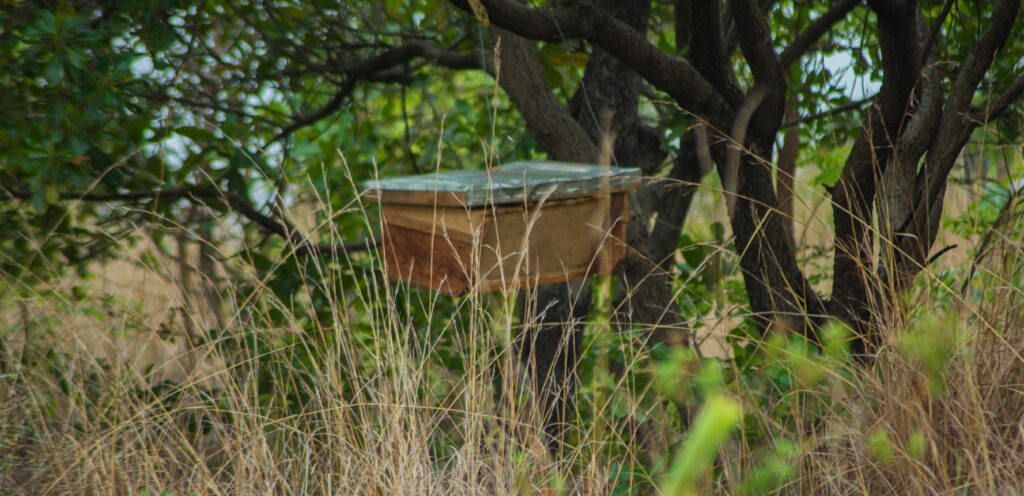
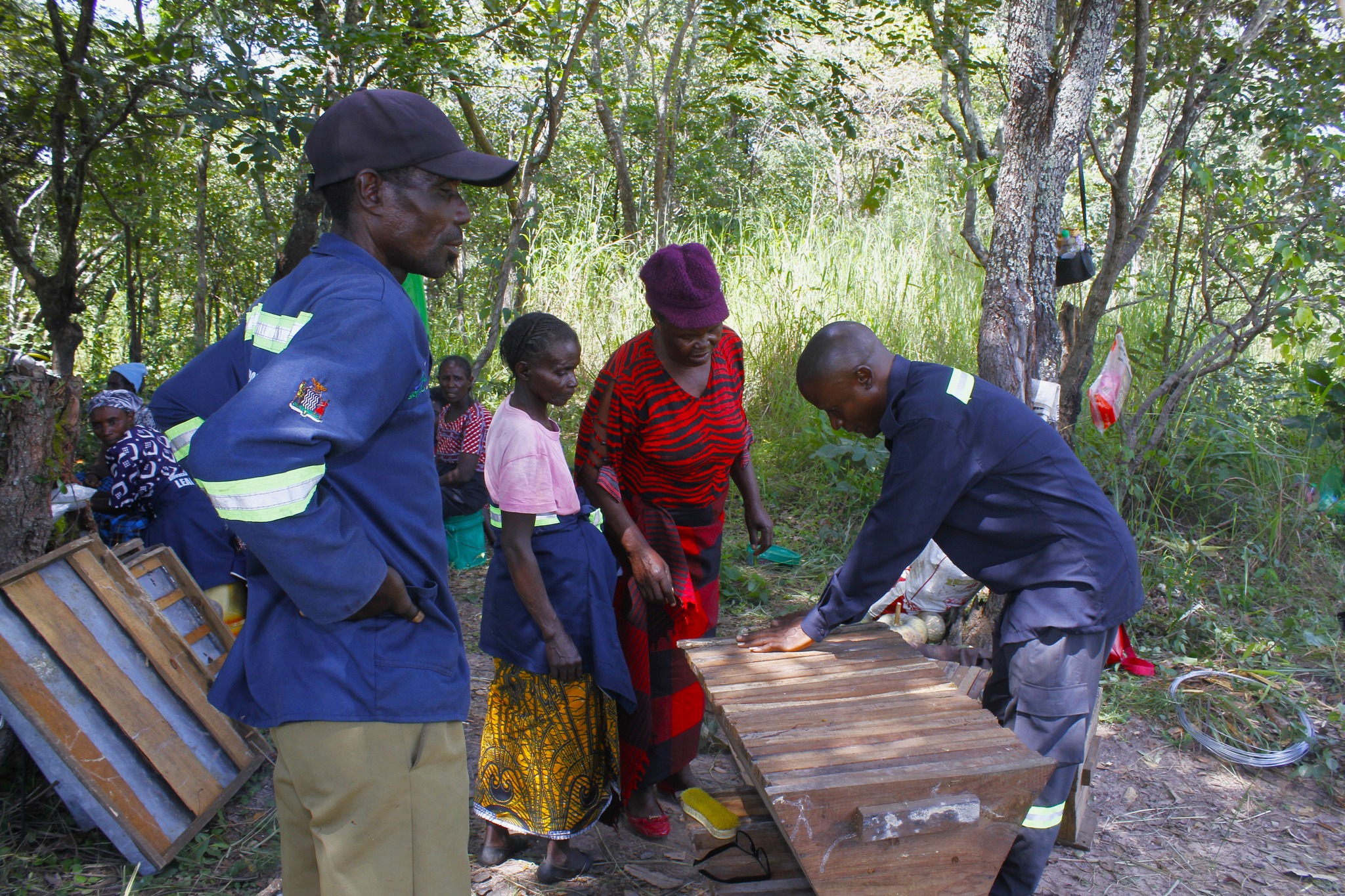
  6.  Provide capacity building in bee keeping as an income generating project

  7. Facilitate trickle down workshops at community level in all participating wards focusing on climate change adaptation and bee keeping.

  8. Facilitate the formation of farmer groups for knowledge sharing and cooperative marketing with an emphasis on women and youth.

  9.  Conduct capacity-building workshops on how to conduct action research.

  10. Conduct the action research in all the three wards and document the results.

  11.  Conduct remote sensing monitoring and detection in all three wards and document the findings.

  12. Document indigenous knowledge information with local traditional leaders and communities on biodiversity conservation

  13. Produce IEC materials based on findings.

Outputs

  1. 8 community based natural resource management teams. Were formed. Out of the 8 established Resource Management Teams, six remain active. Inconsistencies in participation are being addressed by managing diverse community interests and refining resource allocation to ensure all teams can meet their management objectives effectively.
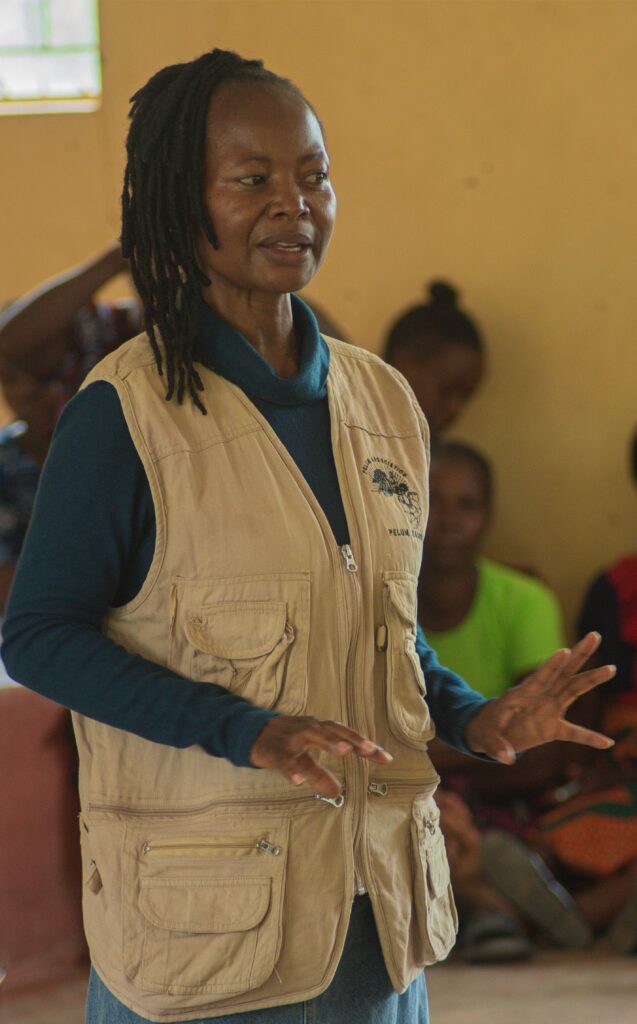
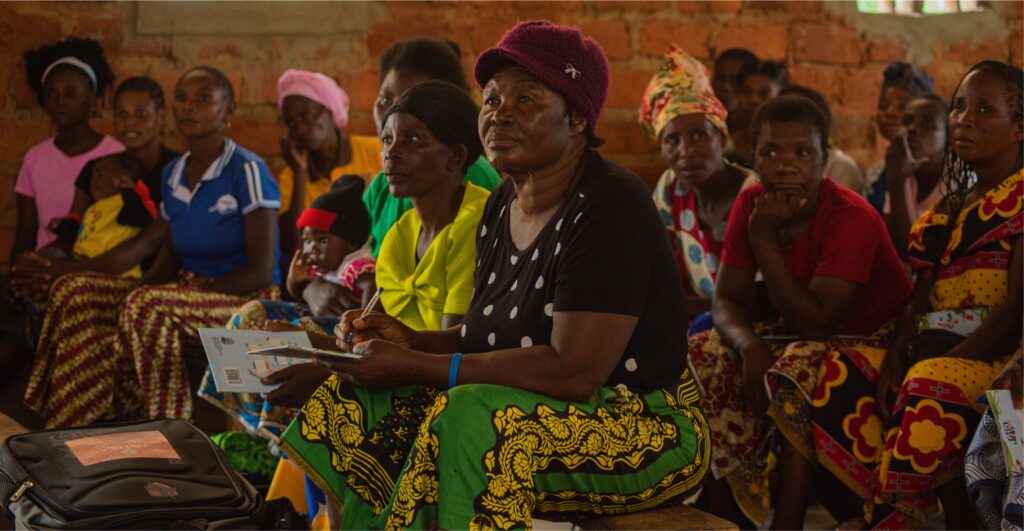
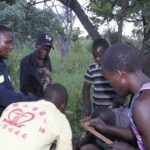
  2. Trained 20 environmental defenders and 50 lead farmers in Sokontwe and Mikula ward giving a total number of 70 community members. The environmental defenders trained were equipped with knowledge and skills to mitigate environmental loss, and develop strategic plans on how to defend the environment

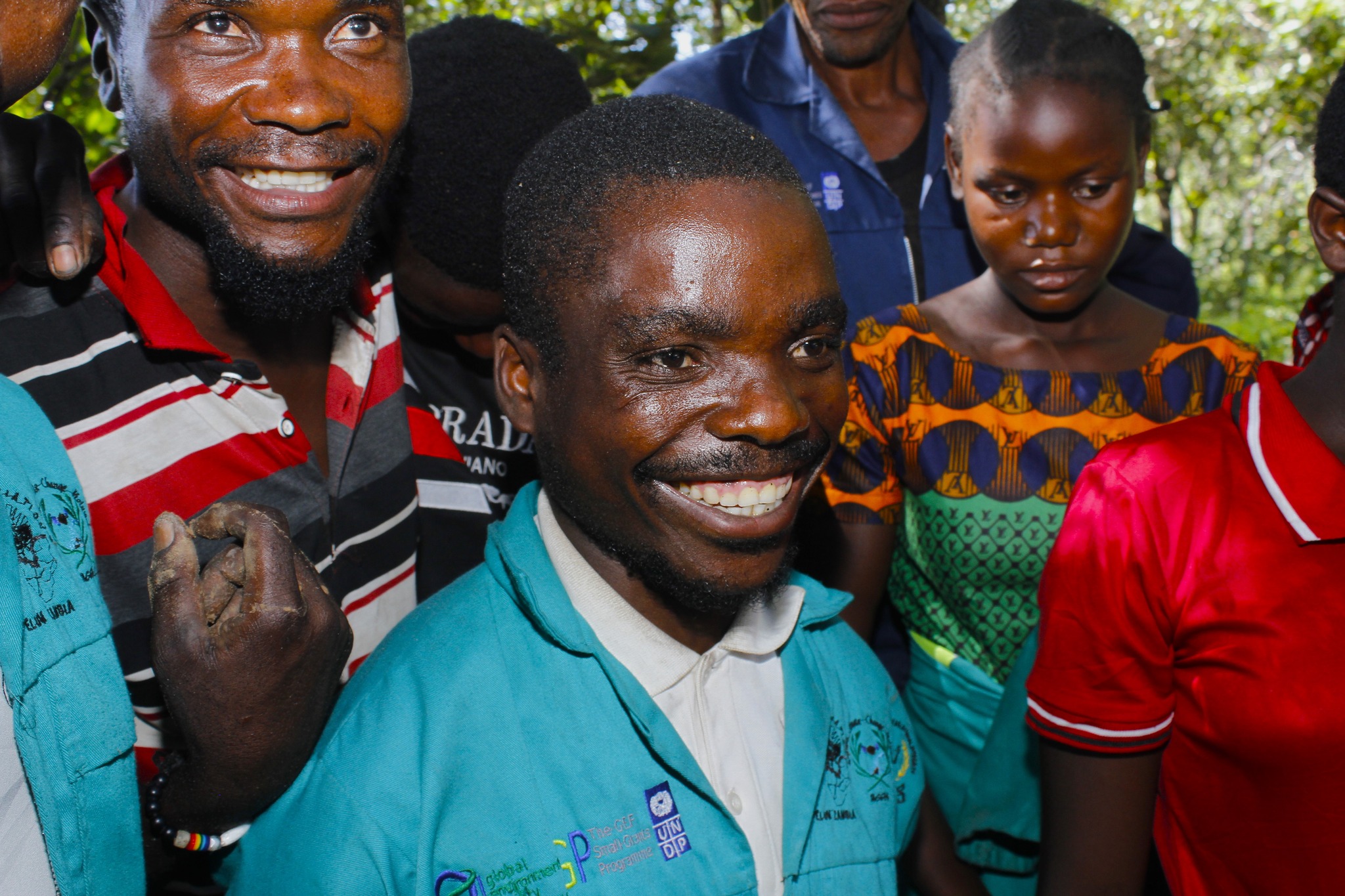
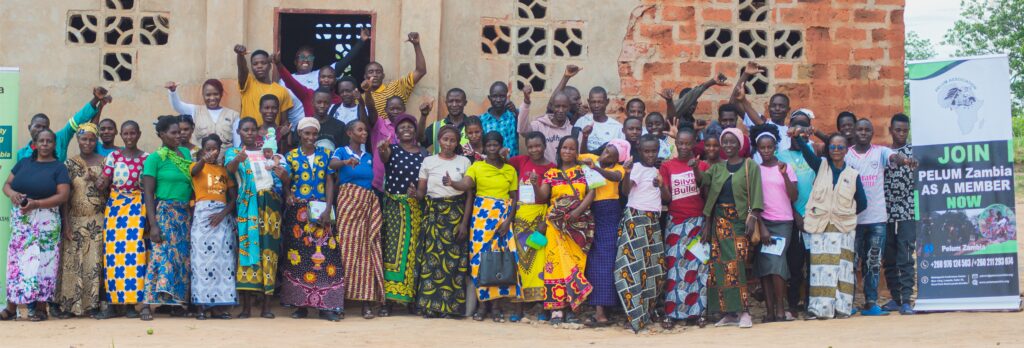
    150 Community members were reached of which 80 were female and 70 men.

    Learned how to reduce conflicts arising from unsustainable land use.

    Enhanced their confidence and legitimacy in advocating for greener policies and community practices.

    As for Lead farmers they are trusted influencers in communities. Training them

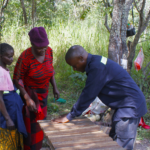
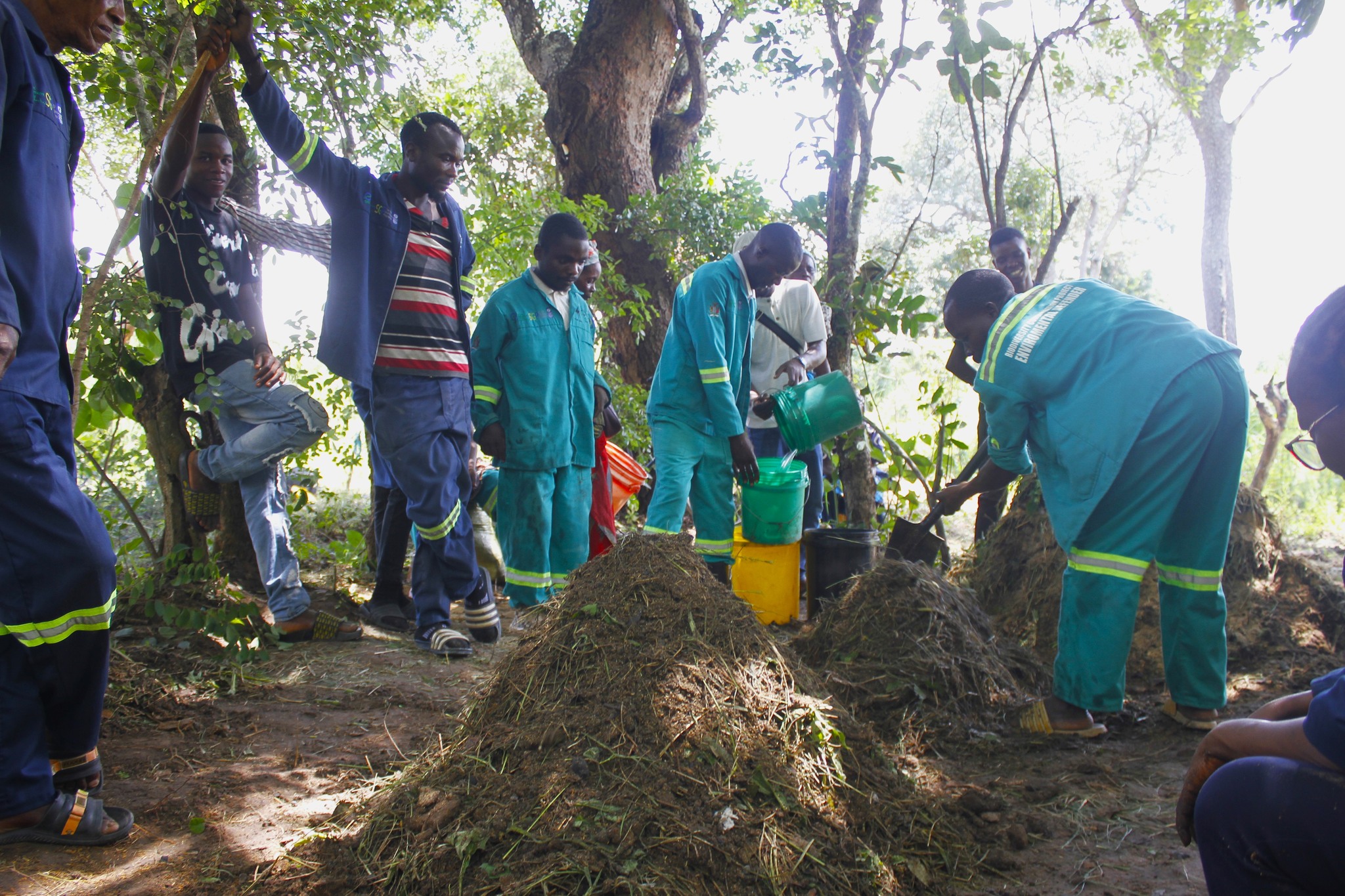
    Demonstrated sustainable farming practices models as rainwater harvesting, mixed cropping, crop rotation, mulching, agroforestry, composting and biological past and disease management

    Influence fellow farmers by adopting sustainable practices    as a way of bridging the gap between the scientific knowledge and local realities

  3. 70 Lead farmers in Mikula and Sokontwe ward were trained in community based natural resource management and developed management plans for biodiversity conservation and how they use them for scaling up at field level.

     42 were females and 28 were men.  Age range was between.  People living with disability 1 male and 8 caregivers from the disabled households 3 are female and 5 males.

  4. The project established 0.2 km² demonstration site in Mikula and Sokontwe Wards as a community field school promoting conservation, zero burning, forestry protection, wetland biodiversity conservation, and sustainable land management.

    Managed 28. 3km² landscape restoration, supported through farmer-led replication of sustainable land management practices.

    Capacity building conducted:

    • 20 Community Defenders (10 males and 10 females) trained as Trainers of Trainers (ToTs).
    • 50 Lead Farmers trained 30 females 20 male in sustainable land management and agroecological practices.

    Integrated Land Use Design (ILUD)

    training conducted in Sokontwe Ward (Thomas Village) and Mikula Ward (Nyembe Village), Milenge District, strengthening community-led land-use planning and restoration skills.

      70 participants were supported with practical inputs to facilitate adoption and replication of sustainable practices.

     Planting materials distributed:

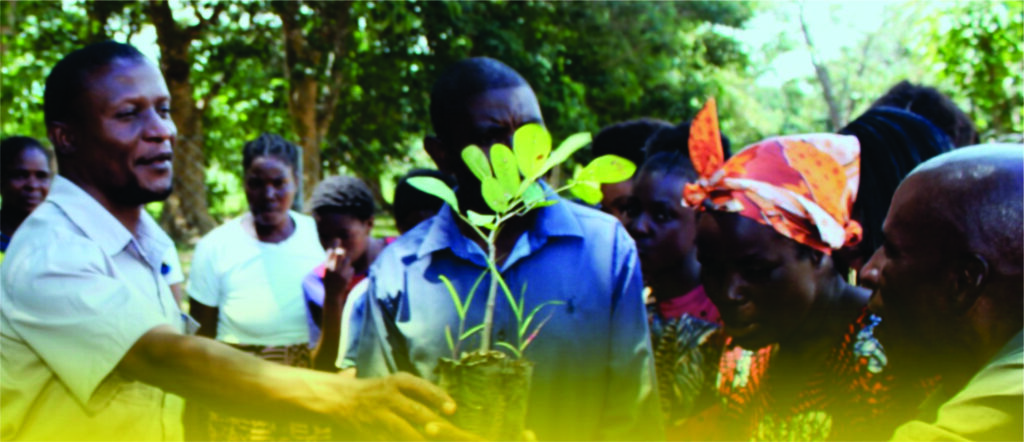
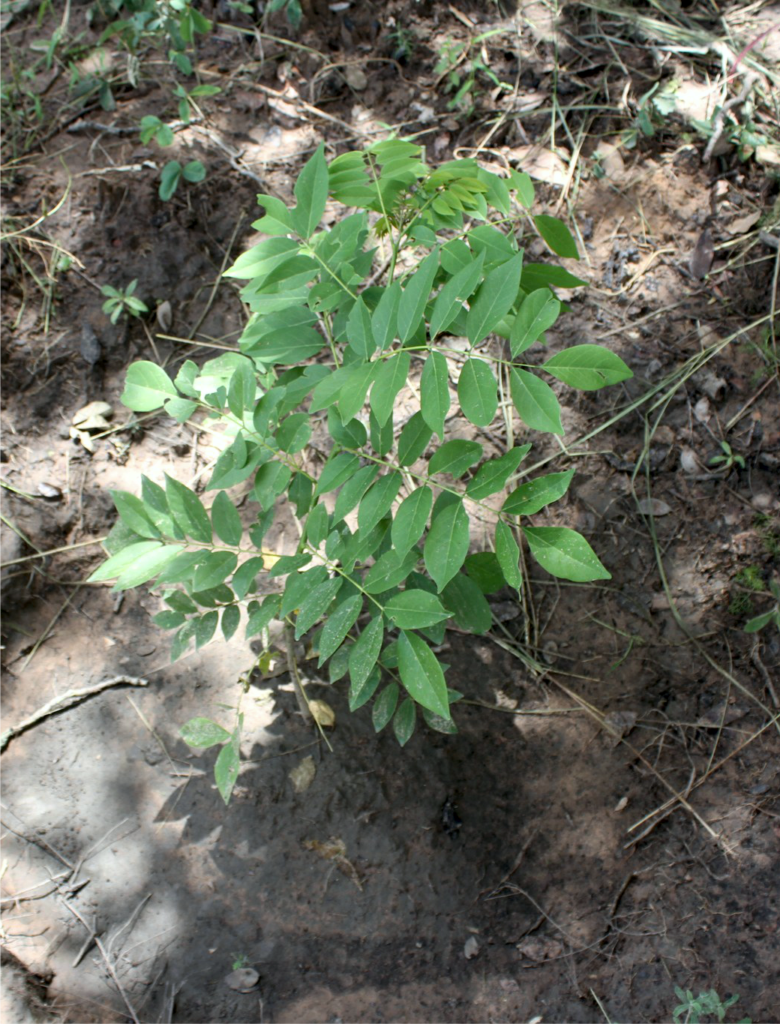
    • 100 tree seedlings (including Musangu/Faidherbia albida, Gliricidia, and Leucaena leucocephala) for agroforestry, soil fertility improvement, and biodiversity enhancement.

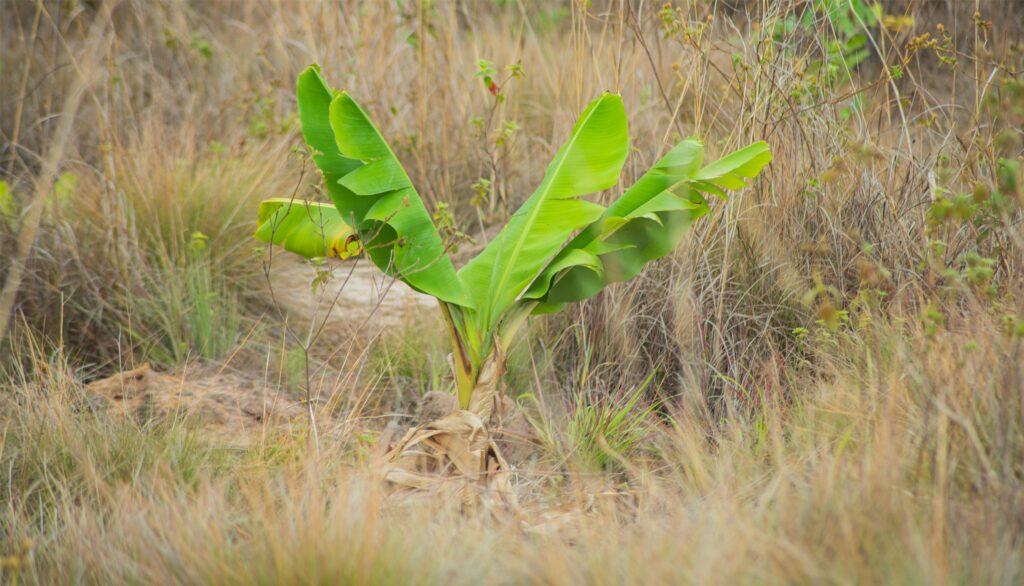
     Crop and soil-improving seeds provided (sunflower, velvet beans, sunn hemp, beans, bananas) contributing to seed multiplication, improved soil health, nutrition security, and agroforestry establishment.

    Agroforestry alleys established, contributing to improved biodiversity, soil fertility, water retention, and household nutrition

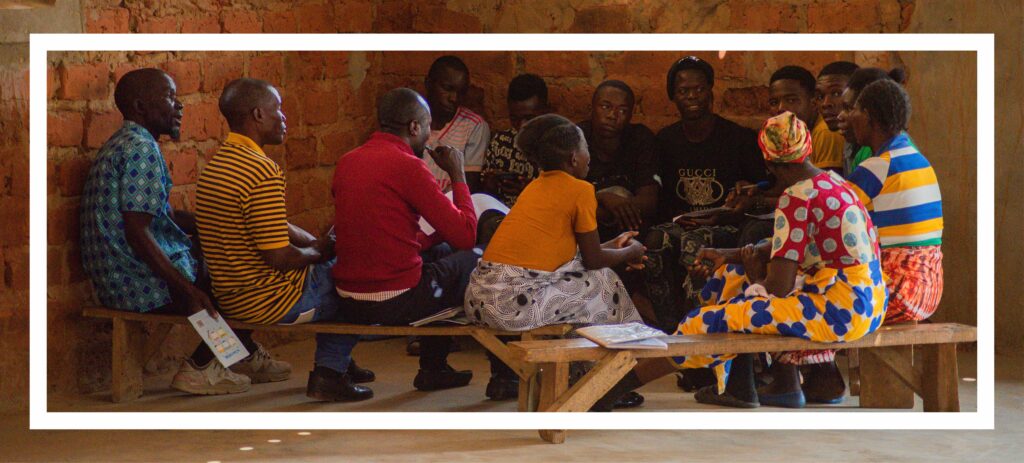
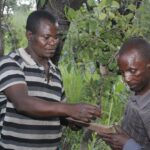
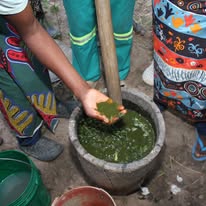
  5. Conducted training workshops on climate adaptive practices and techniques (Sustainable agriculture. Agroecology). This activity demonstrated how communities can integrate climate resilience measures in their way of farming by employing sustainable farming practices and techniques such as agroforestry, integrated Land Use design crop rotation mulching, no burning, composting thus bokashi making, and paste management using local material, soil management and water harvesting. At least 72 lead farmers and Environmental defenders this includes 47 females and 25 males in 2 wards Mikula and Sokontwe Using the multiplier effect at least 50 lead farmers mentored   10 members each and trained them. Using this approach the project reached out to 500 farmers exceeding the target

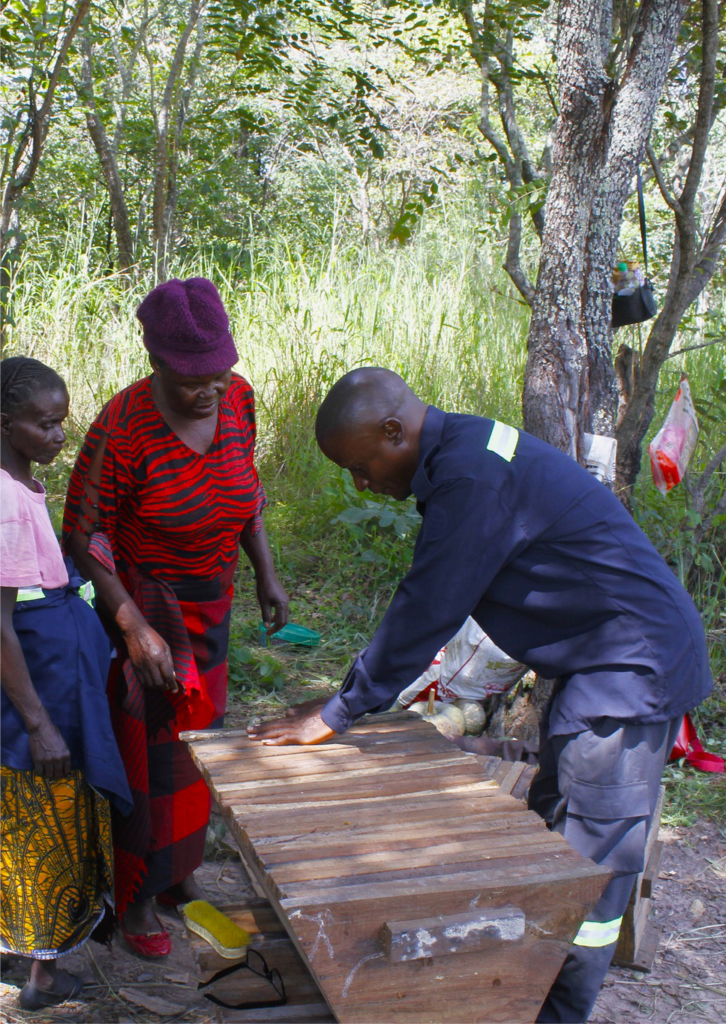
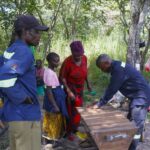
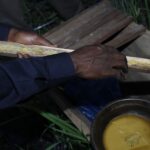
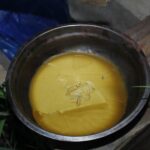
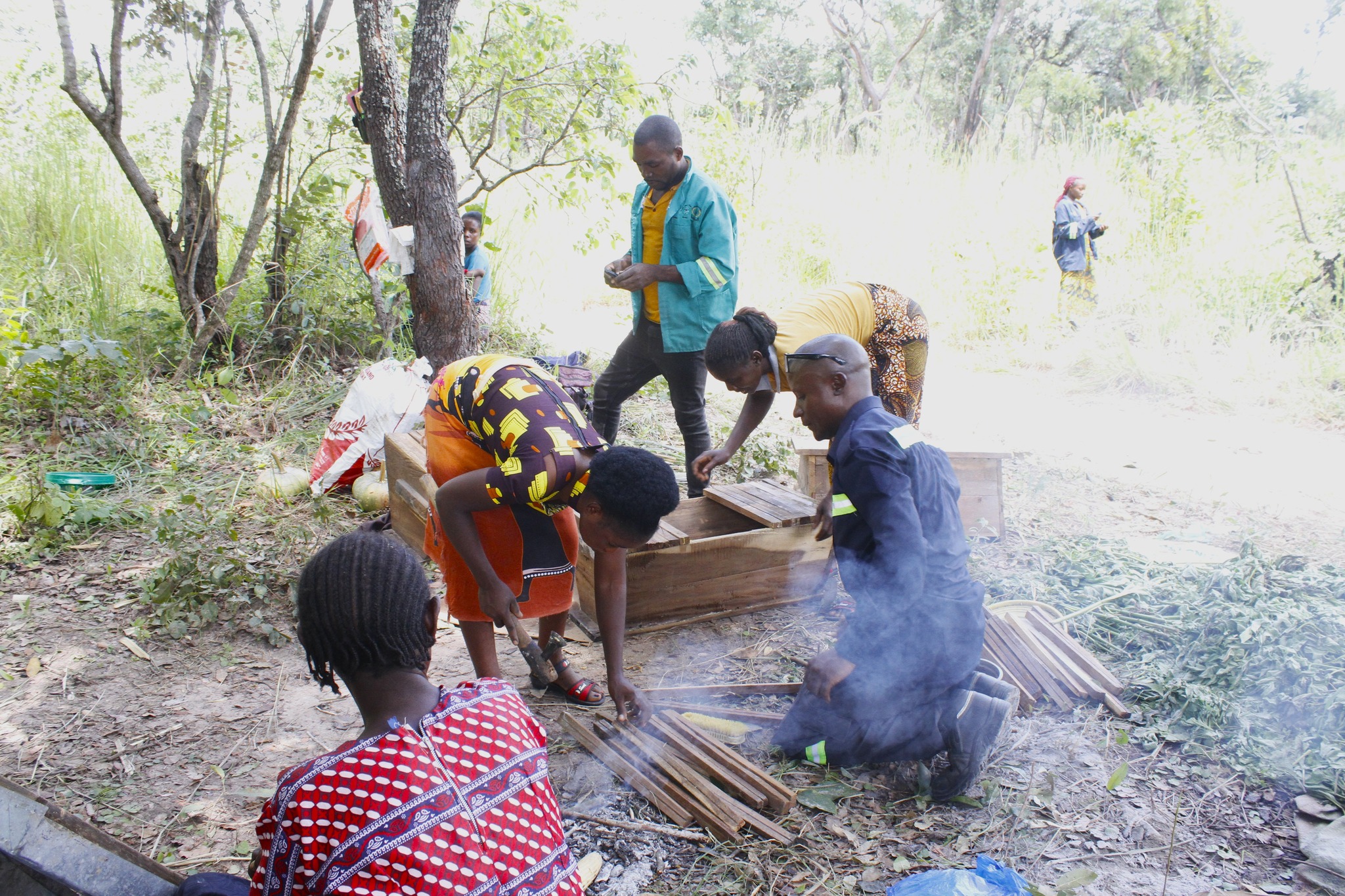
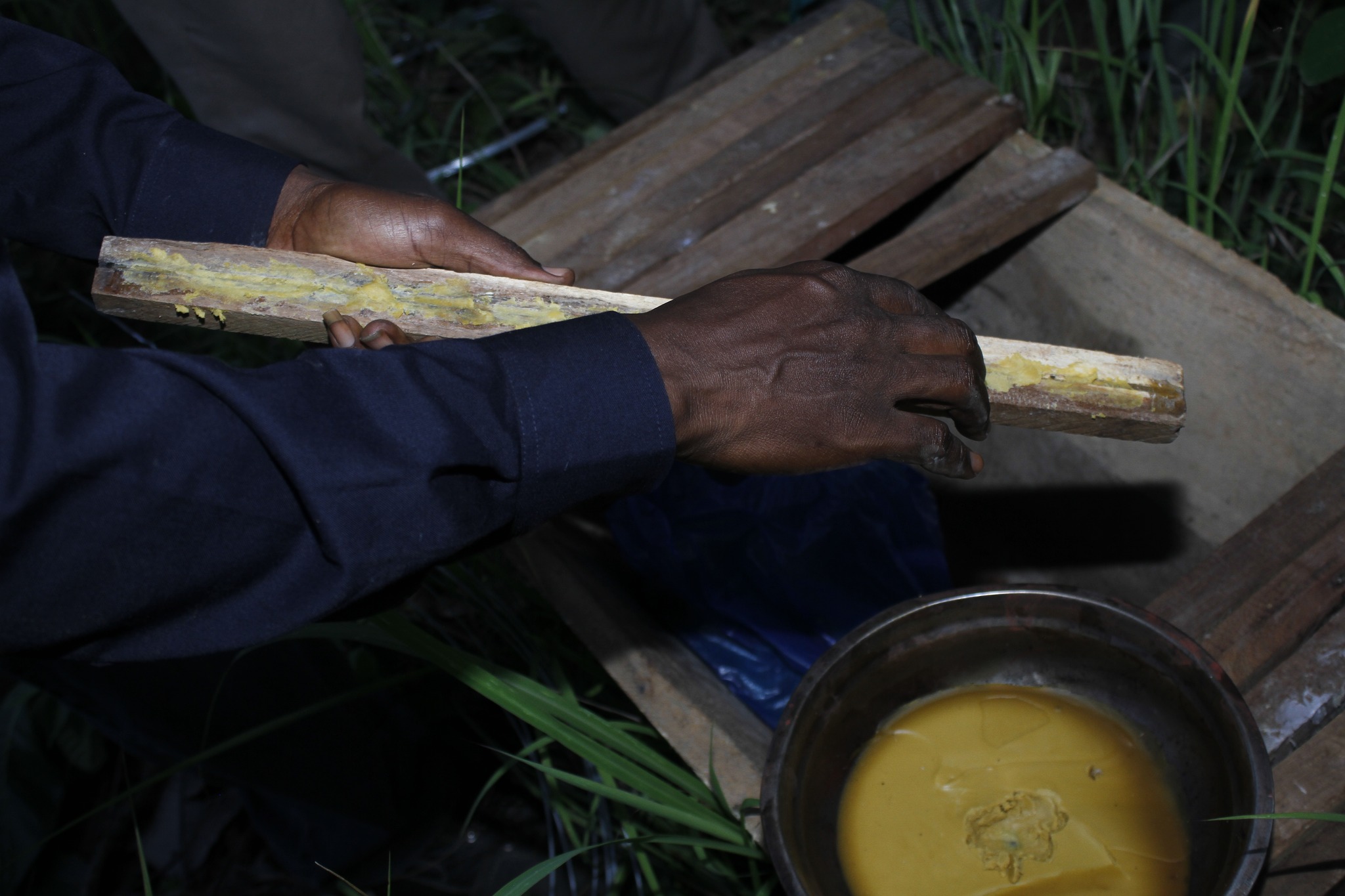
  6. Provided capacity building in bee keeping as an income generating project. The project managed to build capability for 250 farmers

    However, due limited resource and peoples interest   this activity managed empower   famers ,57 women and 38 youths with skills in bee keeping as an income generating project, promoting gender equality, income generation. Not only were they trained but also

    supported them with initial 6 bee hives and community involvement. Both communities understood the value beekeeping in their ecosystem and livelihood  

  7. Over 5,000 farmers were reached through trickle-down workshops conducted at community level. The project deliberately applied a multiplier approach to expand outreach beyond the initial direct beneficiaries.

    A total of 171 lead farmers and trained members were capacitated, and each trained an average of 10 farmers, resulting in 1,710 secondary beneficiaries. Knowledge and skills were further disseminated at household level, where each trained farmer shared practices with an average of 5 household members.

    Through this cascading knowledge transfer, the project achieved an estimated total reach of 8,550 farmers. This demonstrates the effectiveness of the multiplier technique in extending project benefits beyond direct participants and ensuring wider community-level impact.

  8. The project supported the formation of nine (9) farmer groups to strengthen

    peer learning, knowledge exchange, and collective marketing. These groups were intentionally designed to promote active participation of women and youth, contributing to more inclusive and resilient community structures.

    .The groups established included beekeeping groups, savings groups, and briquette production groups, all aimed at improving household incomes while promoting environmentally friendly practices. However, due to limited resources, it was not possible to provide direct support to all interest groups. Priority support was therefore given to the beekeeping groups, which received a total of 16 beehives and full training support

    In total, the groups comprised 171 members, with an average of 19 members per group. While the groups are still at an early stage of development, their formation has already contributed to improved community organization and local leadership. Collaboration among members has increased, particularly around knowledge sharing and joint

    problem-solving, although some groups will require continued mentorship to remain active and effective.

    Overall, this investment has laid an important foundation for long-term community ownership and improved livelihoods. However, sustained impact will depend on continued capacity building, access to resources, and ongoing support to help the groups mature into fully self-driven and resilient farmer network.

  9. Conducted capacity-building workshops on how to conduct action research to 171 participants from the groups formed. Participants were able to define action research and distinguish it from traditional research, understood the key principles of research, identify problems, design a basic research action plan and applied ethical considerations in action research.

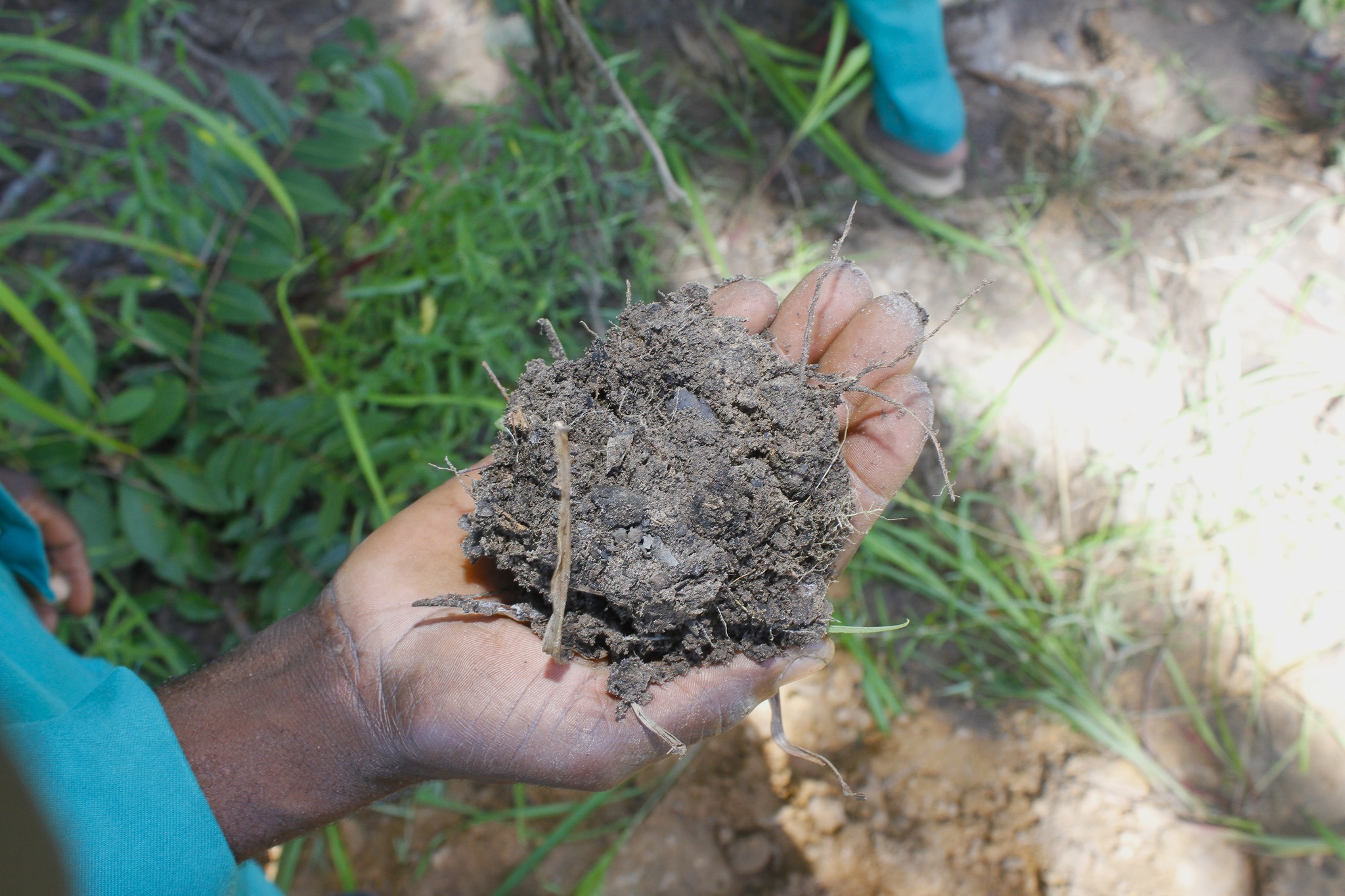
  10. Community-based research was conducted to evaluate the impact of Sustainable Land Management (SLM) and Agroecological interventions—such as zero-burning, mulching, and Integrated Land Use

    Design (ILUD)on soil hydraulic properties.  Conducted capacity-building workshops on how to conduct action research.75 Men 45 youths and women o Enhanced capacity among young women and men to conduct action research in ecosystems conservation.

    Participants were introduced to the principles of Action research a reflective and participatory approach to solving real problems affecting them. Participants acquired knowledge and skills on how to design, implement and evaluate an action research project, through the application of systematic inquiry to improve the practices 

  11. The project successfully delivered and Land Cover remote sensing-based monitoring and wetlands for Mikula, Sokontwe, and Kampala.  The remote sensing data and wetland detection mapping serves as a critical tool for monitoring ecosystem health and detecting restoring efforts. This initiative strengthens the community ability to use reliable evidence in climate resilience planning and sustainable land use.

  12. Indigenous knowledge was conducted in Mikula and Sokontwe by recording stories depicting change over time

  13. The IEC materials copies printed  includes:

    • training manuals,

    agroecology 500

    • agroforestry 500
    • pest management 500
    • soil management 500
    • composting 500
    • community research guidelines 500
    • group formation 500
    • integrated Land use design 500
    • knowledge sharing and cooperative marketing500
    • posters,
    • Savings groups 200
    • Beekeeping200
    • Fish farming 200
    • Agroecology 200
    • billboards 3 banners, and Pop-up displays alongside demonstration plots Access agriculture videos for other famers best practices, exchange visits at the National seed and food festival and photographs. These resources were designed to support capacity building, raise awareness, and strengthen knowledge sharing among communities, extension officers, and other key stakeholders. The materials enhanced community learning, improved visibility of project interventions, and supported the uptake of sustainable land and ecosystem management practices at local and district levels

Results

The project has made significant strides toward landscape-level impact by transitioning     from small-scale demonstrations to wide-scale application. Through the establishment of the 0.2 km² (2-hectare) demonstration site, the project improved the management effectiveness of critical wetland ecosystems. By

training 20 Environmental Defenders as stewards of water bodies and biodiversity, the project has institutionalized the protection of these habitats.

  1. Restoration of Degraded Land through Agroecological Management
  2. The project is demonstrating measurable progress toward the restoration of 30 km² (3,000 hectares) of degraded land of which 28.3 km² has been worked on through a structured multiplier model. A total of 70 trained community leaders comprising 20 Environmental Defenders and 50 Lead Farmers are each managing approximately 0.43 km² of land using agroecological practices. These practices include Integrated Land Use Design (ILUD), zero burning, and agroforestry systems, resulting in improved land management, reduced land degradation, and enhanced ecosystem resilience across the targeted landscape.
  3. Improved Vegetative Cover and Soil Fertility

  4. The targeted distribution and establishment of 345 tree seedlings (Musangu, Gliricidia, and Leucaena), soil-enhancing cover crop seeds (Sunn hemp and Velvet beans), and 50 banana suckers has led to increased vegetative cover and improved soil conditions across the intervention areas. These inputs have strengthened soil structure, enhanced nutrient cycling, and contributed to the regeneration of degraded land, thereby supporting sustainable agricultural productivity within the 3,000-hectare restoration.

  5. The project successfully strengthened decentralized natural resource governance through the formation of 8Natural Resource Management (NRM) teams at community level. These teams were established to empower community stakeholders to actively participate in decision-making, stewardship, and sustainable management of natural resources. This community governance structure has enhanced community ownership, accountability, and responsiveness to environmental conservation needs.

  6. Currently, 6 out of the 8 teams remain fully active, demonstrating sustained community engagement despite some fluctuations in participation

    due to differing local priorities and variations in resource availability. The project continues to refine resource allocation mechanisms and provide targeted support to ensure consistent performance and functionality across all target wards.

  7. The project reached 150 community members in its initial phase, achieving strong gender balance (80 women and 70 men). Women’s leadership was particularly evident in the Lead Farmer initiative, where 42 out of 70 trained lead farmers were women, strengthening women’s influence in climate adaptation, sustainable agriculture, and natural resource management decision-making.

  8. Inclusivity was further promoted through deliberate engagement of vulnerable groups. Eight caregivers from households with persons living with disabilities were trained, alongside one person living with a disability who directly participated, ensuring equitable access to project benefits and knowledge.
  9. The project exceeded its initial outreach targets through a multiplier training model, whereby 50 Lead Farmers each mentored approximately 10 additional farmers, resulting in 500 farmers gaining climate-adaptive agricultural skills. This approach significantly expanded knowledge dissemination, strengthened peer learning networks, and increased community capacity to adopt sustainable land management practices.
  10. To reduce pressure on natural resources while improving household income, the project trained 95 farmers (57 women and 38 youth)in sustainable beekeeping. The distribution of 16 beehives has catalyzed local honey production, contributing to economic resilience while enhancing ecosystem services such as pollination, biodiversity conservation, and landscape restoration.

Project Activities

Agroecology training

It is a long established fact that a reader will be distracted by the readable content of a page when looking at its layout. The point of using Lorem Ipsum is that it has a more-or-less normal distribution of letters, as opposed to using ‘Content here, content here’, making it look like readable English. Many desktop

Related Projects